Dental Bridges in Edgware
A fixed, custom-made appliance that bridges the gap left by one or more missing teeth — supported by neighbouring teeth or implants.
Book Online opens in our secure Dentally Portal — verified by SMS. All treatment plans start with a check-up.
Quoted at consultation
- Restores chewing and speech
- Prevents neighbouring teeth from drifting into the gap
- Looks and feels like natural teeth
- Fixed in place — no removal at night
- Multiple designs to suit your case
What is a dental bridge?
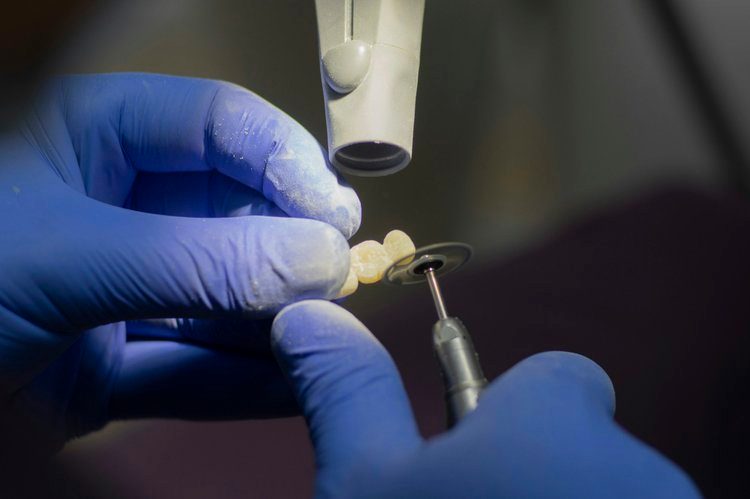
A dental bridge is a custom-made appliance designed to bridge the gap left by one or more missing teeth. A typical bridge consists of one or more replacement teeth (called pontics) anchored to neighbouring teeth via crowns — or supported by dental implants.
Replacing missing teeth isn’t just cosmetic. Gaps allow neighbouring teeth to drift into the empty space, your opposing teeth to over-erupt, and your bite to gradually change in ways that affect the health of the rest of your mouth. Food packs into places that are hard to clean. Speech can be subtly affected. Over months and years, the geometry of the bite shifts in a way that’s much harder to correct later than to prevent now.
At Campos Dental in Edgware we fit bridges for patients across Edgware, Stanmore, Mill Hill and the surrounding areas. The right design for you depends on which tooth is missing, the health of the teeth either side, the state of the underlying bone, and your budget and timeline. This page walks through the options honestly.
Types of dental bridges
Traditional (conventional) bridge
A pontic supported by crowns on the teeth either side of the gap. The most common and reliable design, and the one most patients picture when they hear the word “bridge.” Best suited to gaps where both adjacent teeth are healthy and would benefit from crown coverage anyway — for example, where the neighbouring teeth are already heavily filled or root-treated.
Cantilever bridge
A pontic supported by a crown on only one side. Used when only one neighbouring tooth is available, or where preparing both adjacent teeth wouldn’t be appropriate. The biomechanics are more demanding because all the force goes through a single supporting tooth, so we’re selective about when this design fits — mostly in the upper front of the mouth where chewing forces are lower.
Maryland bridge
A pontic held in place by thin metal or porcelain wings bonded to the backs of adjacent teeth. Minimally invasive — almost no enamel is removed from the supporting teeth, which keeps your options open if you need to change the restoration in future. Used mainly for front teeth in younger patients, or where preserving as much tooth structure as possible is the priority.
Implant-supported bridge
A bridge anchored by dental implants rather than natural teeth. Often the strongest long-term option where multiple adjacent teeth are missing — and because each implant stimulates the bone like a natural root, it also helps preserve jawbone, which conventional bridges can’t do. This is the most involved option in terms of time and cost, but for the right case it delivers a result that can outlast every alternative.
Bridge vs implant — making the decision
The single most common question we hear at our Edgware practice from patients with a single missing tooth is: bridge or implant? Both work. The honest answer changes depending on your case. Here are the practical trade-offs we walk through at consultation.
A traditional bridge requires preparing the two healthy teeth either side of the gap. That preparation is non-reversible — those teeth will need crown coverage for the rest of their lives. If those teeth are already crowned, already heavily filled or already need root canal work, the conventional bridge often makes excellent sense, because you’re doing one set of treatment to solve two problems. If those teeth are pristine and untouched, an implant is usually the more conservative choice — it leaves the neighbouring teeth alone entirely.
An implant takes longer overall. The implant itself is placed, the bone needs three to six months to integrate, and only then is the crown made and fitted. A traditional bridge is typically two appointments across two weeks. For patients with a wedding, a holiday or a job interview on the horizon, that timeline difference can be decisive.
Long-term, well-placed implants in well-maintained mouths often outlast bridges by a significant margin, because they don’t depend on the survival of the supporting teeth. A bridge ties three or more teeth together — if one supporting tooth develops a problem in twelve years’ time, the whole bridge usually has to come off. With an implant, only the single restoration is in play.
We’ll always honestly recommend the option that fits your case rather than the one that’s most profitable. For many of our Edgware, Stanmore and Mill Hill patients with a single missing tooth and pristine neighbours, that recommendation is an implant. For others, it’s a bridge. Sometimes the right answer is neither — and we’ll say so.
How a bridge is made
- Consultation. We assess the gap, the health of the neighbouring teeth, the state of the bone underneath, and the bite. X-rays — and where useful a 3D CBCT scan — confirm whether a bridge or an implant is the better long-term answer for you. If there’s any active gum disease or decay that needs addressing, we treat that first.
- Preparation. The supporting teeth are shaped under local anaesthetic to receive crowns. Digital impressions or scans are taken, your bite is recorded, and the shade of your natural teeth is matched.
- Temporary bridge. A temporary acrylic bridge protects the prepared teeth and keeps you smiling normally while your final bridge is being made.
- Lab fabrication. Your bridge is hand-built by our ceramist over 10–14 days. The materials — porcelain-fused-to-metal, full ceramic or zirconia — are chosen at consultation based on position in the mouth, bite forces and the aesthetic result you want.
- Fit. The bridge is bonded in place at your second visit. We check the bite very carefully, polish the finish, and walk through the cleaning routine in detail before you leave.
Caring for your bridge
The single biggest determinant of how long a bridge lasts is how clean you can keep the area underneath the pontic. Plaque builds up under the false tooth the same way it would under any fixed appliance, and the supporting teeth either side are at higher risk of decay at the crown margin if cleaning slips. Get the routine right at the start and a bridge will reliably reward you with a long, quiet service life.
Here’s the practical toolkit we send our patients home with at the fitting appointment.
- Floss threader. A stiff plastic strand with a loop on the end — you pass it under the pontic, thread normal dental floss through the loop, and clean the gum surface underneath and the sides of the supporting teeth. We demonstrate the technique at the fitting and re-demonstrate at every hygiene visit if you’d like a refresher.
- Tepe interdental brush. A small, tapered brush that slides under the pontic and into the spaces around the supporting teeth. Sizes from 0.4mm upward — we’ll match the right size to your gaps at the fitting. Most patients find these easier than threading floss, particularly first thing in the morning.
- Water flosser. A device that fires a fine jet of water under the bridge. Waterpik is the most common brand. Excellent as a backup for patients who struggle with floss threaders, and a good adjunct for patients with limited dexterity, but we recommend it alongside manual cleaning rather than instead of it.
- Normal toothbrushing. Twice daily with a fluoride toothpaste, just as you would for natural teeth — but pay particular attention to the gum line around the supporting crowns. An electric brush (oscillating or sonic) makes this easier for most patients.
Regular dental hygiene visits twice a year keep the supporting teeth healthy and catch any early margin issues before they become bigger problems. Plan members on our adult dental plan have hygiene visits built into the monthly subscription — for bridge wearers this is usually the most cost-effective long-term arrangement.
Pricing and finance
We’ve always taken the view that quoted prices belong on a website rather than hidden behind a consultation. Patients deserve a sense of what they’re looking at before they commit to a visit.
Conventional and Maryland bridges at our Edgware practice typically start from £900–£995, depending on the tooth count, the design and the materials used. Cantilever bridges sit at the lower end of that range. Implant-supported bridges are quoted individually because the cost depends on the number of implants, whether any bone grafting is needed first, and the lab work involved. We give you a single, fixed, all-inclusive figure at your consultation — no surprise extras. Our full price list is on the fees page.
We offer 0% finance via Chrysalis Finance, with loan amounts from £350 to £25,000 over up to twelve months at 0% APR, subject to status. For a £900 conventional bridge spread over 12 months that works out at £75 a month. We’re happy to walk through the application at consultation — full details on the finance page.
Members of our adult dental plan receive 10% off the cost of treatment, alongside other plan benefits including routine examinations and hygiene visits.
Considering a bridge?
All treatment plans start with a check-up. Book yours online — we’ll assess the gap, look at the supporting teeth, talk you through the design options, and honestly recommend whether a bridge, an implant, a denture or simply leaving the space alone is the right answer for your case. If you’d rather speak to us first, get in touch — we’re happy to answer questions on the phone before you commit to a visit.
Frequently asked
How long does a dental bridge last?
Are dental bridges better than implants?
How do I clean under a bridge?
How much does a dental bridge cost?
Bridge vs implant — which is better long-term?
Can I have a bridge if I've had gum disease?
You might also be looking at.

Dental Crowns
from £550Custom-made caps that restore broken, cracked or root-treated teeth. Available in porcelain, ceramic and metal options to suit appearance, position and budget.
Learn more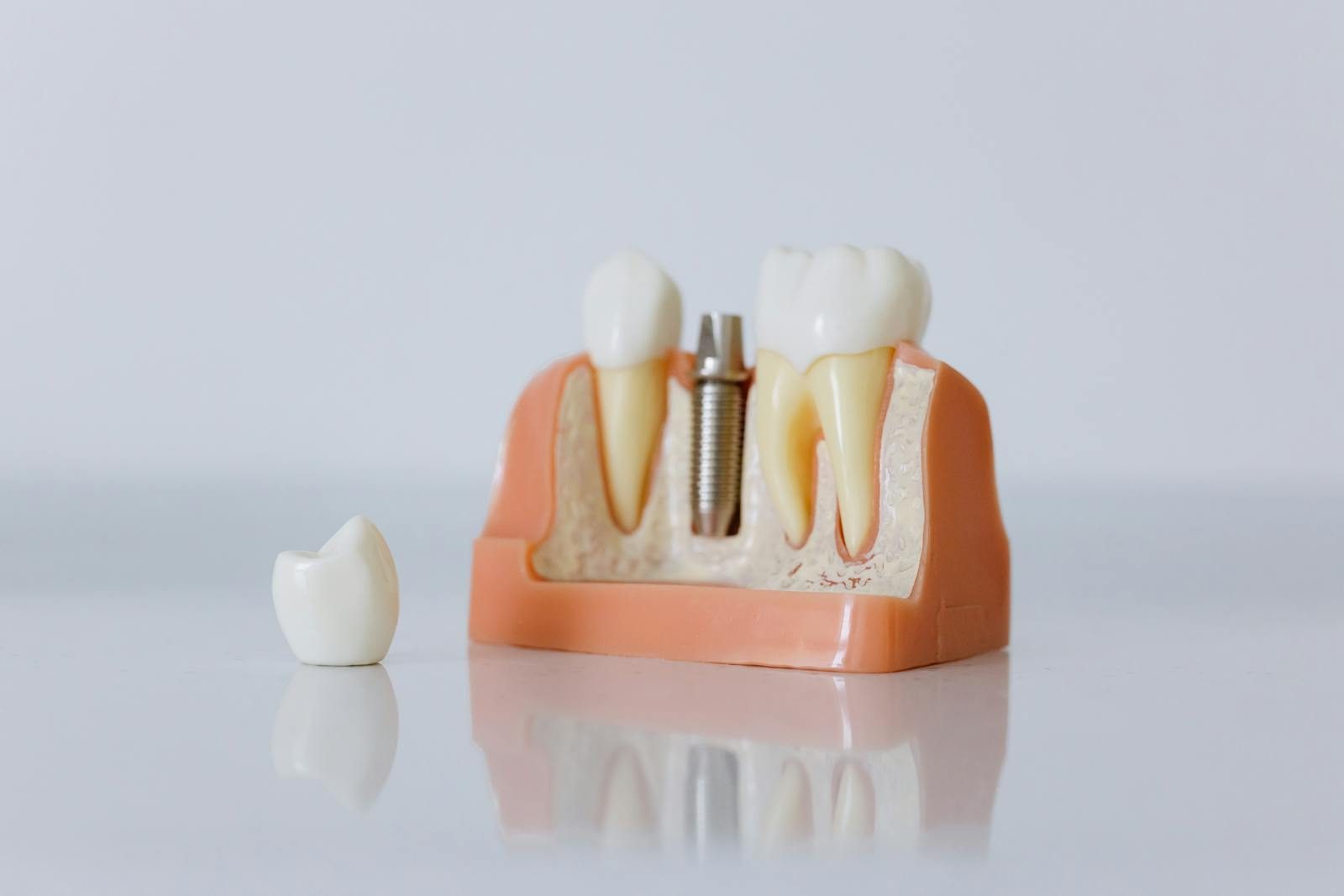
Dental Implants
from £1,250A long-lasting, natural-looking way to replace missing teeth. A titanium post integrates with your jawbone to support a crown, bridge or denture that feels and functions like your own.
Learn more
Dentures
from £550Custom-made full, partial or implant-supported dentures that restore appearance, chewing and speech — designed to fit comfortably and look natural.
Learn moreFind us in Edgware.
Free 30-minute parking out front and a step-free entrance. Pop in for a look or call ahead — we usually answer within a few rings.
Campos Dental
70 Edgware Way
Edgware, HA8 8JS
Call us
020 3971 2000Contact us
Send us a message →Opening hours
- Mon – Fri 9:00 am – 5:30 pm (closed 1–2 pm)
- Sat by appointment
- Sun closed
Considering this treatment?
All treatment plans start with a check-up. Book yours online — we'll talk you through the options for this treatment, explain pricing, and only recommend treatment if it's genuinely right for you.
Book Online opens in our secure Dentally Portal — verified by SMS. All treatment plans start with a check-up.