Dentures in Edgware
Custom-made full, partial or implant-supported dentures that restore appearance, chewing and speech — designed to fit comfortably and look natural.
Book Online opens in our secure Dentally Portal — verified by SMS. All treatment plans start with a check-up.
from £550

- Restores chewing function and clearer speech
- Custom-shaded teeth that complement your face
- Maintains the natural shape of your face
- Implant-supported options for maximum stability
- Adjustable as your mouth changes over time
A reliable solution for missing teeth
Dentures are an effective and well-established way to replace missing teeth — restoring both how your smile looks and how your mouth works. Modern dentures are lighter, more comfortable and more natural-looking than they have ever been. Materials, scanning techniques and aesthetic planning have all improved significantly in the last twenty years, and the heavy, obvious appliances some patients remember from older relatives have very little in common with what we fit today.
At Campos Dental in Edgware, we make every denture to your exact specifications, taking time to get the shade, shape and bite right. We see denture patients from across Edgware, Stanmore, Mill Hill and the wider North London area — many of whom arrive after extractions or having struggled with poorly-fitting dentures made elsewhere.
Types of dentures
Complete dentures
Used when all the teeth in the upper or lower arch are missing. The denture rests directly on the gums, supported by the natural ridges and (in the upper arch) by suction against the palate. Upper full dentures tend to be comfortable and stable for most patients; lower full dentures are inherently harder to keep in place because the tongue and mobile floor of the mouth interfere with suction. For patients who find their lower full denture loose despite a careful fit, implant retention is often the answer — see below.
Partial dentures
Used when some natural teeth remain. Replacement teeth are attached to a gum-coloured base that clips around your remaining teeth via discreet metal or flexible clasps. Acrylic partial dentures are the lower-cost option; cobalt-chrome dentures use a thin metal framework that’s stronger, slimmer and tends to feel less bulky in the mouth. Partial dentures also have the practical advantage of being easier to adapt — if you lose another tooth in future, additional teeth can usually be added to the existing denture rather than starting again.
Conventional vs immediate dentures
- Conventional dentures are fitted after the gums have healed from any extractions — usually three to six months later. They have the best fit because the gums and bone have settled into their final shape before impressions are taken.
- Immediate dentures are placed on the day of extraction so you’re never without teeth. The trade-off is that they will need adjusting or relining as your gums change shape during healing — sometimes several times in the first six months — because impressions had to be taken before the teeth came out.
We’ll discuss which approach fits your situation at consultation. For patients with a wedding, a holiday or a major work commitment around the time of extraction, an immediate denture is often the right call. For patients with more flexibility, the conventional route delivers a slightly better long-term fit.
Implant-supported dentures
A modern hybrid: two or more dental implants are placed in the jaw, and the denture clips on to them. The result is a denture that doesn’t slip, doesn’t click, and gives back almost the full chewing force of natural teeth. A genuinely transformative upgrade for anyone struggling with loose conventional dentures. The denture still comes out for cleaning at night, but stays firmly in place during the day. Most commonly used in the lower arch, where the case for implant retention is strongest, but available for either arch.
What to expect
- Consultation. We discuss your needs, look at the condition of any remaining teeth and the underlying gum and bone, and recommend the most suitable type. If extractions are needed first, we plan those carefully — see our extractions page.
- Impressions and bite registration. Several precise records are taken so the denture fits exactly. We use both putty impressions and (where appropriate) digital scans, then record the bite at a separate appointment so the teeth are set in the right position relative to the opposing arch.
- Try-in. We try the denture in wax form first so you can see the shape and shade before final manufacture. This is the single biggest predictor of a denture you’ll be happy with — you can ask for the teeth to be a little longer, shorter, lighter, darker, more character, less character. Nothing is locked in until you sign off the wax try-in.
- Fit. The finished denture is fitted, adjusted for comfort, and you go home with care instructions and a follow-up appointment booked.
- Follow-up. Brief check-ups over the first few weeks to make any small adjustments as you settle in. Almost every new denture needs at least one or two minor relief points eased — this is normal, not a sign of a poorly-made appliance.
Living with your new dentures
The first month is the steepest part of the learning curve. By month three, most patients have settled into a routine that feels natural and barely think about the dentures during the day. Here’s an honest account of what to expect along the way.
The first month
The first two weeks are the period of greatest adjustment. Your mouth has to learn to recognise the denture as part of its normal anatomy — and like any new sensation, it takes time. Expect some areas of soreness in the first week as small high points on the denture press into the gum; we’ll see you for one or two early adjustment appointments to ease these. Saliva production usually increases in the first few days as the brain interprets the new shape as a foreign object that needs lubricating; this settles within about a week. By the end of week two most patients describe the denture as “noticeable but no longer uncomfortable.” By week four it tends to feel like part of you.
Eating
This is where patience pays off most. The honest framing is — start with soft, easy-to-manage foods for the first week or two (scrambled eggs, soup, soft pasta, well-cooked vegetables, flaked fish), then progressively introduce more challenging textures as your confidence grows. Cut food into smaller pieces than you would normally and chew on both sides at once where possible to keep the denture balanced. Avoid very sticky foods (toffees, very dense bread) for the first few weeks, and be careful with hard foods (raw carrot, hard nuts) until you’ve gauged what your particular denture can comfortably handle. Many of our Edgware patients tell us that the meals they were most worried about — Sunday roasts, restaurant dinners — are entirely manageable by the end of the second month.
Speech
Most patients notice a slight lisp or unfamiliar resonance for the first few days. The tongue adapts very quickly. The fastest way through it is to read aloud at home for fifteen minutes a day during the first week — newspaper articles, novels, anything that gets you working through the difficult sounds (s, sh, th, f). By the end of the first week, speech is usually back to normal. Patients who avoid talking during the adjustment period tend to find the lisp persists longer than it would otherwise.
What to expect over the years
Your gums and the bone underneath gradually change shape over time — particularly in the first year after extractions, but slowly across the rest of life too. This is normal. Most dentures need relining (the gum-fitting surface re-shaped) every three to five years to maintain a comfortable fit, and a full new denture every seven to ten years. We’ll let you know when your denture is approaching the point where relining would help, rather than waiting until you find it loose.
Implant retention — the option worth knowing about
For patients who find conventional dentures loose despite a careful fit, implant retention is the single most effective upgrade available. Two implants in the lower arch, with a snap-on connection built into the underside of the denture, transform the experience entirely. The denture clicks firmly into place when you put it in, stays put while you eat and talk, and unclips for cleaning at night.
The case for implant retention is strongest in the lower arch — where suction alone tends to be unreliable — and weaker in the upper, where most patients find a well-made conventional full denture stable enough. The implants involved are smaller than those used for fixed implant bridges and the surgery is correspondingly less involved. We’ll talk you through whether it’s the right option for your case at consultation — full detail on our dental implants page.
Pricing and finance
We’ve always taken the view that quoted prices belong on a website rather than hidden behind a consultation. Patients deserve a sense of what they’re looking at before they commit to a visit.
- Acrylic partial dentures — from £550
- Full acrylic dentures — from £550
- Cobalt-chrome partial dentures — quoted at consultation
- Implant-supported dentures — quoted individually depending on the number of implants
Every quote is a single fixed, all-inclusive figure covering impressions, the wax try-in stage, the finished denture and the first round of adjustments in the settling-in period. Our full price list is on the fees page.
We offer 0% finance via Chrysalis Finance with loan amounts from £350 to £25,000 over up to twelve months at 0% APR, subject to status — more on the finance page. Members of our adult dental plan receive 10% off the cost of treatment along with included examinations and hygiene visits, which often makes plan membership the most cost-effective arrangement for denture patients with remaining natural teeth.
Considering dentures?
All treatment plans start with a check-up. Book yours online at the Edgware practice — we’ll look at the condition of your mouth, discuss the options honestly, and only recommend treatment that’s genuinely right for you. If you’re currently struggling with an existing denture made elsewhere — loose, sore, looking obvious — we’re happy to assess whether a reline, an adjustment or a replacement is the right answer. Get in touch and we’ll take it from there.
Frequently asked
Will dentures look obvious?
How long does it take to get used to dentures?
Can dentures be supported by implants?
How much do dentures cost?
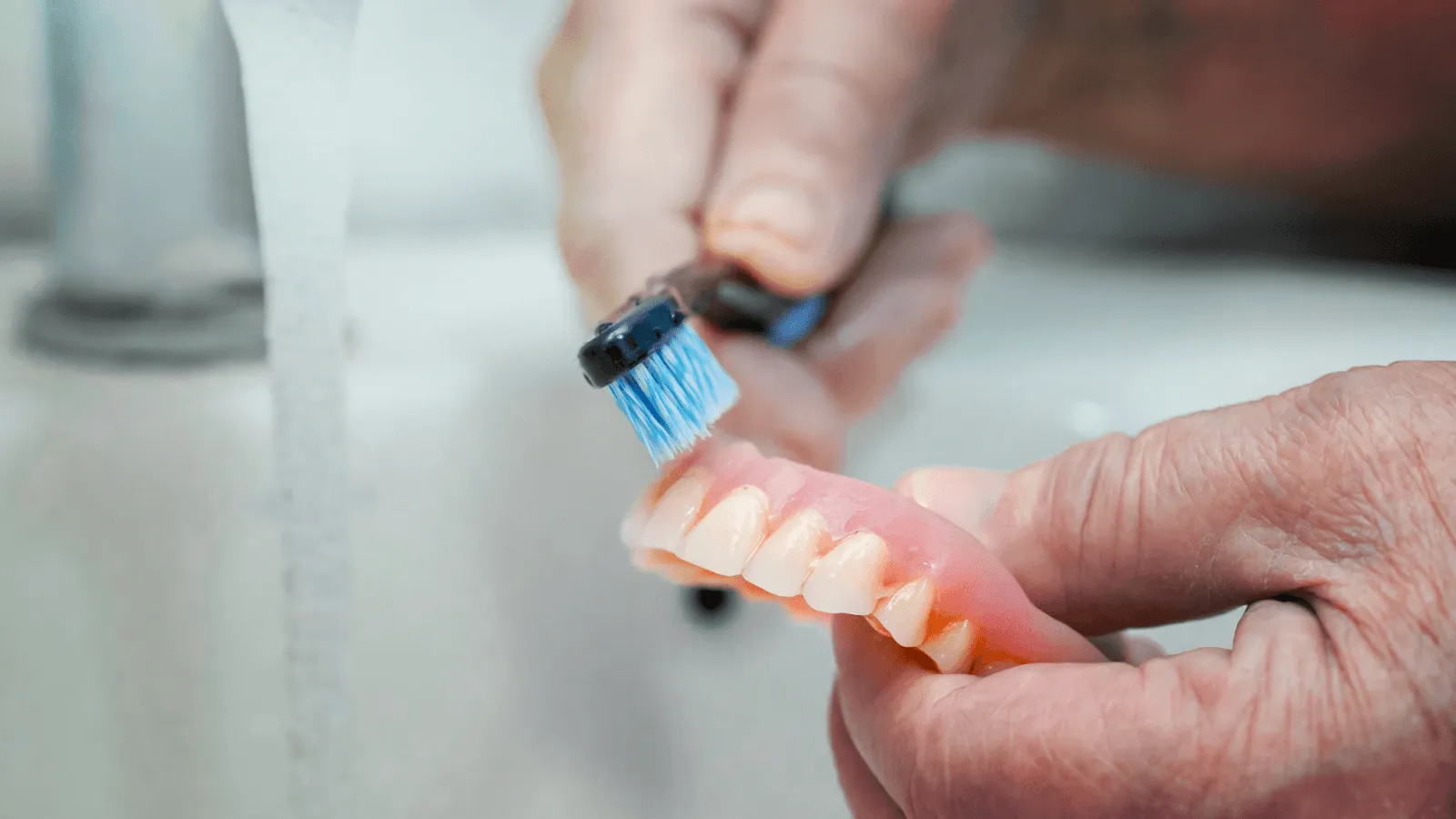
How do I clean my dentures?
Can I sleep in my dentures?
You might also be looking at.
Dental Bridges
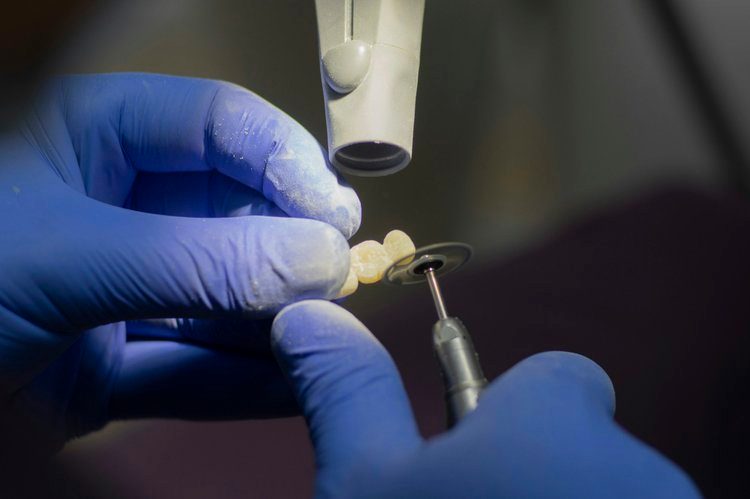
Quoted at consultationA fixed, custom-made appliance that bridges the gap left by one or more missing teeth — supported by neighbouring teeth or implants.
Learn more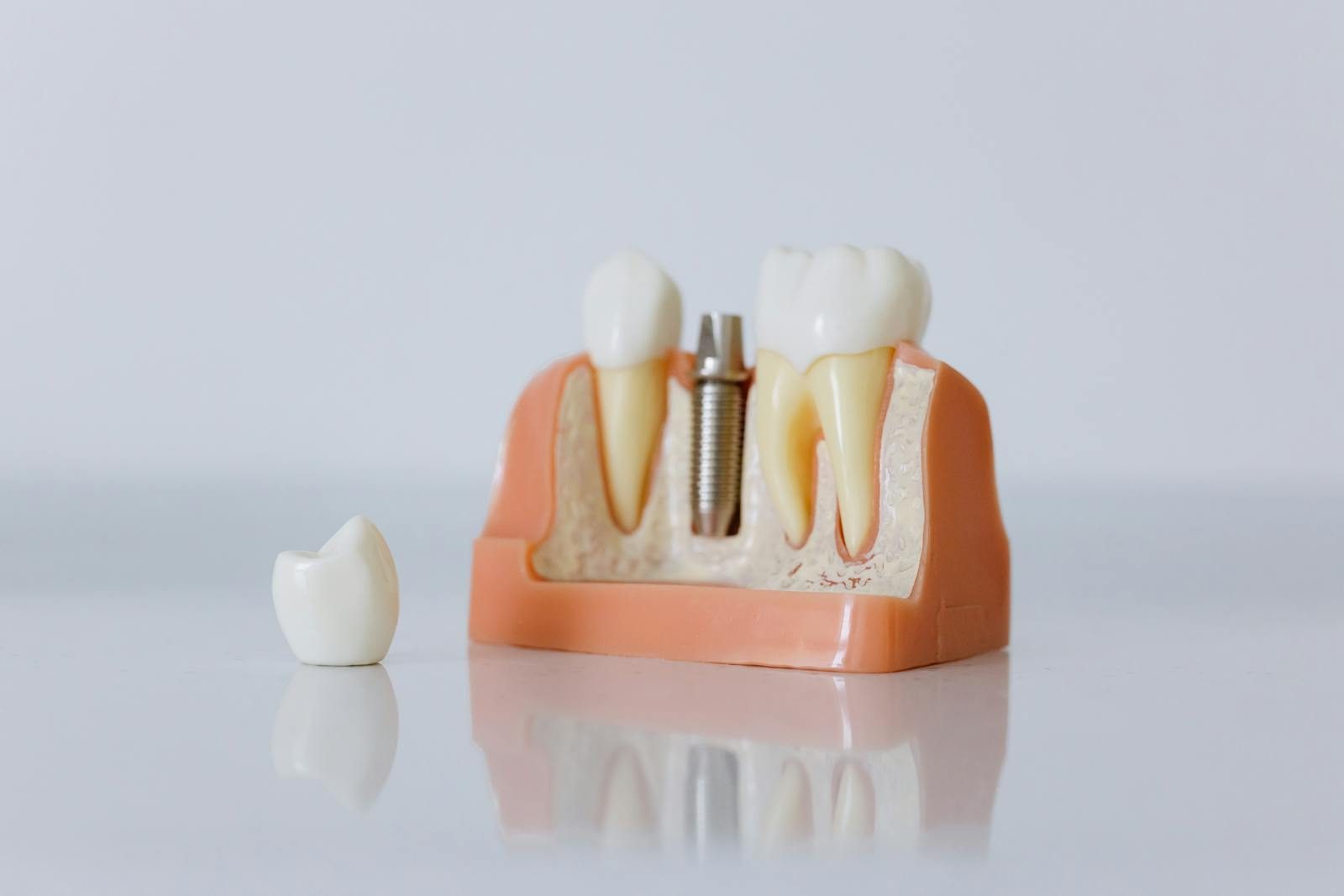
Dental Implants
from £1,250A long-lasting, natural-looking way to replace missing teeth. A titanium post integrates with your jawbone to support a crown, bridge or denture that feels and functions like your own.
Learn more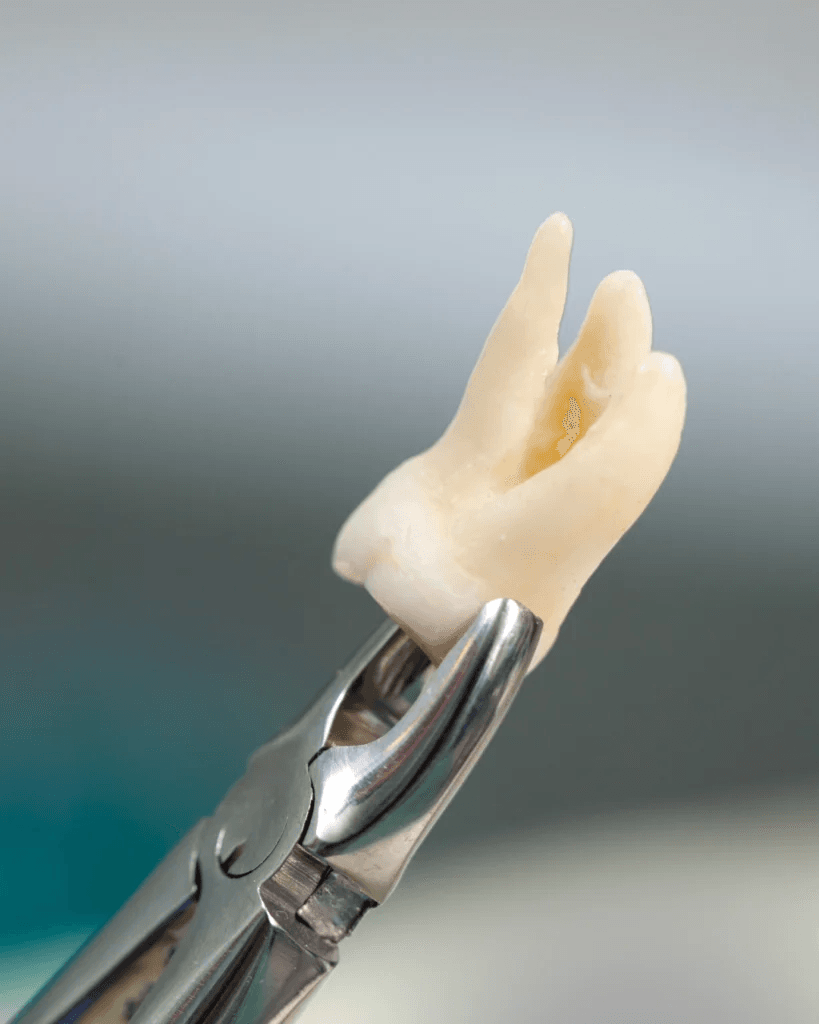
Surgery & Extractions
from £150Gentle tooth removal and oral surgery — including wisdom teeth. Performed in a calm, modern environment with sedation available for nervous patients.
Learn moreFind us in Edgware.
Free 30-minute parking out front and a step-free entrance. Pop in for a look or call ahead — we usually answer within a few rings.
Campos Dental
70 Edgware Way
Edgware, HA8 8JS
Call us
020 3971 2000Contact us
Send us a message →Opening hours
- Mon – Fri 9:00 am – 5:30 pm (closed 1–2 pm)
- Sat by appointment
- Sun closed
Considering this treatment?
All treatment plans start with a check-up. Book yours online — we'll talk you through the options for this treatment, explain pricing, and only recommend treatment if it's genuinely right for you.
Book Online opens in our secure Dentally Portal — verified by SMS. All treatment plans start with a check-up.