Sensitive Teeth Treatment in Edgware
Lasting relief from sensitive teeth — by finding and treating the underlying cause, not just numbing the symptom.
Book Online opens in our secure Dentally Portal — verified by SMS. All treatment plans start with a check-up.
Assessment from £50

- Identifies the underlying cause of sensitivity
- Targeted treatment, not just sensitive toothpaste
- Fluoride varnish, bonding or sealants depending on cause
- Advice on diet and home care
- Long-term protection for exposed roots
What sensitive teeth feel like
A sharp, often electric-feeling pain when you eat or drink something:
- Cold (ice cream, cold drinks, breathing cold air)
- Hot (tea, coffee, soup)
- Sweet (sugar, fruit)
- Acidic (citrus, fizzy drinks, vinegar)
The pain typically passes within a few seconds of the trigger going away. If it lingers for minutes or hours, that’s a different problem — often a tooth that needs root canal treatment, not just sensitivity. We’ve laid that distinction out in detail below — it’s the single most useful thing to know about your own symptoms before you decide whether something can wait.
What causes it?
- Enamel erosion — worn down by acidic foods and drinks, aggressive brushing, or teeth grinding
- Gum recession — exposing the softer root surface, which doesn’t have enamel to protect it
- Tooth decay or a cracked filling — bacteria reach close to the nerve
- Recent dental procedures — fillings, crowns and especially whitening can cause temporary sensitivity that settles within a few weeks
- Grinding (bruxism) — wears enamel down and causes microscopic flexing of teeth at the gum line. If grinding is the underlying cause, the long-term answer often sits with TMJ and bite work rather than only treating individual teeth.
When sensitive teeth need urgent assessment vs when they can wait
This is the question patients most need a clear answer to. Sensitivity is common and most of the time it isn’t urgent — but a small subset of patterns flag a tooth that needs to be seen quickly, and getting that distinction right saves teeth.
The thirty-second rule
The single most useful signal is how long the pain lasts after the trigger has gone away. A sharp cold pang from an ice cube or a cold drink that fades within a few seconds of the trigger leaving the tooth is dentine sensitivity — uncomfortable, worth investigating at a routine appointment, but not urgent. Pain that lingers for thirty seconds or more after the trigger — or pain that builds up over the course of a meal, throbs after you stop eating, wakes you at night, or starts spontaneously without a trigger — is a different problem. That pattern points to the pulp (the nerve and blood supply inside the tooth) being inflamed or infected, and the tooth needs assessing within days rather than weeks.
Red-flag patterns — please call us promptly
- Lingering pain over thirty seconds after a hot or cold trigger
- Pain on biting that’s reproducibly worse on one specific tooth (often a cracked tooth or a high filling)
- Spontaneous pain that wakes you or starts without any obvious trigger
- Throbbing pain that builds after a stimulus and takes minutes to settle
- Swelling, a “pimple” on the gum, or a bad taste near a sensitive tooth (suggests infection)
- One specific tooth that’s progressively more painful over days or weeks
Any of those — please call us promptly on 020 3971 2000. Same-day emergency assessment is available during the working week, and calling is the quickest way to be seen today; if you’d rather not phone, you can also reach us via the contact page.
Patterns that can usually wait for a routine appointment
- Generalised cold sensitivity across many teeth, especially on cold air or cold drinks, fading within seconds
- Sensitivity along the gum line in one area, especially if you’ve noticed the gums look a little lower than they used to
- Mild sensitivity after a recent dental procedure — fillings, crowns, whitening — that’s improving week on week
- Sensitivity that responds well to a sensitive toothpaste used twice a day for two or three weeks
These warrant a routine assessment so the cause can be confirmed and addressed before it progresses — but they’re not the kind of problem that needs you in the same week. A spot at your next examination or hygiene visit is usually fine.
If you’re unsure which side of the line your symptoms sit on, default to calling us — it takes thirty seconds on the phone for our team to triage you to the right appointment, and we’d rather see you a few days too early than a few weeks too late.
Treatment at Campos Dental
We treat the cause, not just the symptom. Depending on what we find:
- Fluoride varnish to strengthen weakened enamel
- Composite bonding to cover an exposed root
- Sealants for areas of early enamel loss
- Bite adjustment if grinding is the underlying cause
- A night splint to protect against grinding damage
- Root canal or crown for severely affected teeth
We’ll also give you tailored home-care advice — the right toothpaste, the right brushing technique, and which foods to limit. Many patients see a meaningful improvement from a hygiene visit with Bernita, our hygienist and a few small adjustments to brushing technique alone, before any restorative work is needed.
Sensitivity, erosion and gum health are connected
Most people with sensitive teeth have at least one of three underlying problems — early enamel erosion, gum recession driven by early gum disease, or grinding-related wear. We’ll usually pick up all three at a thorough assessment rather than treating sensitivity as a separate problem on its own. That joined-up view is what stops sensitivity coming back in six months when the underlying issue progresses.
Don’t put up with it
If sensitive teeth are getting in the way of food and drinks you’d like to enjoy — or if a single tooth has started to behave differently from the rest — book an assessment. Most cases are very treatable, and the sooner the cause is addressed, the easier it is to put right. Patients from Edgware, Stanmore and Mill Hill make up the bulk of our caseload for sensitivity work, and assessments start from £50; get in touch and we’ll find you a slot that fits your week.
Frequently asked
Why are my teeth suddenly sensitive?
Does sensitive toothpaste actually work?
Can a dental visit fix sensitivity?
How much does treatment cost?
Can I just use sensitive toothpaste forever?
Why are my teeth more sensitive after whitening?
You might also be looking at.
Dental Hygiene
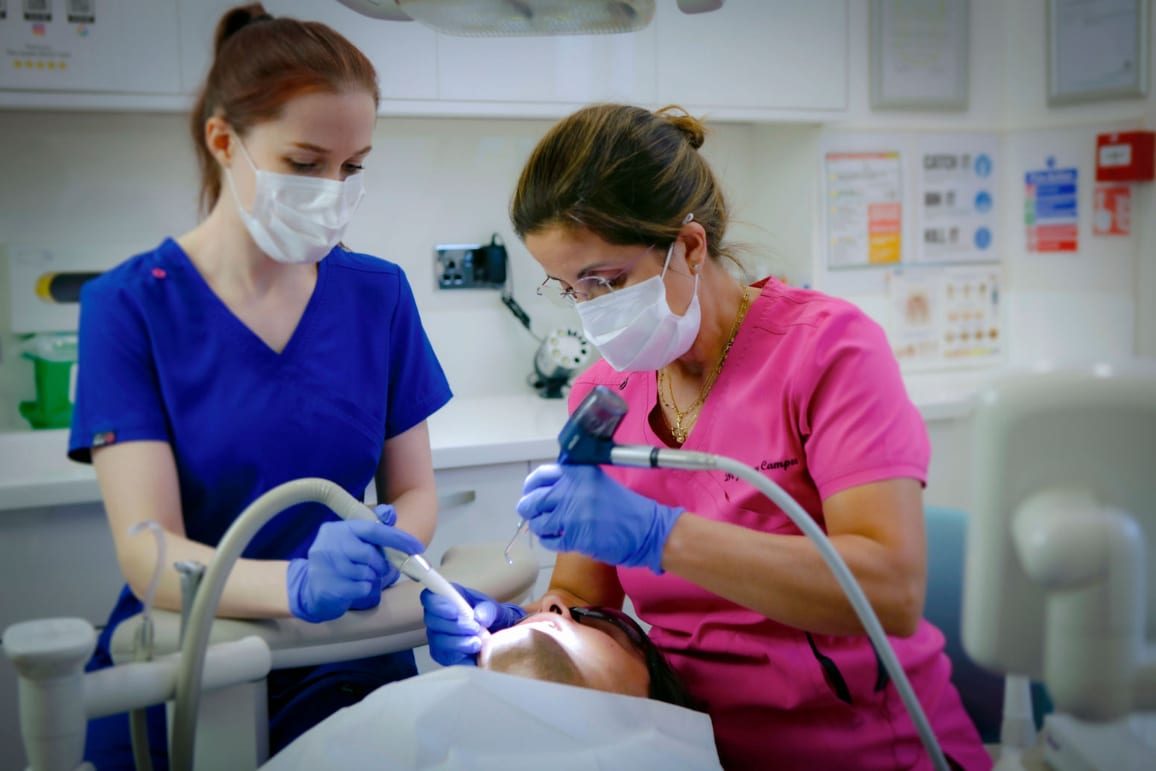
from £80Professional hygiene with Bernita and Isabel, our experienced hygienists. Scale, polish, stain removal and personalised advice that protect your teeth between check-ups.
Learn more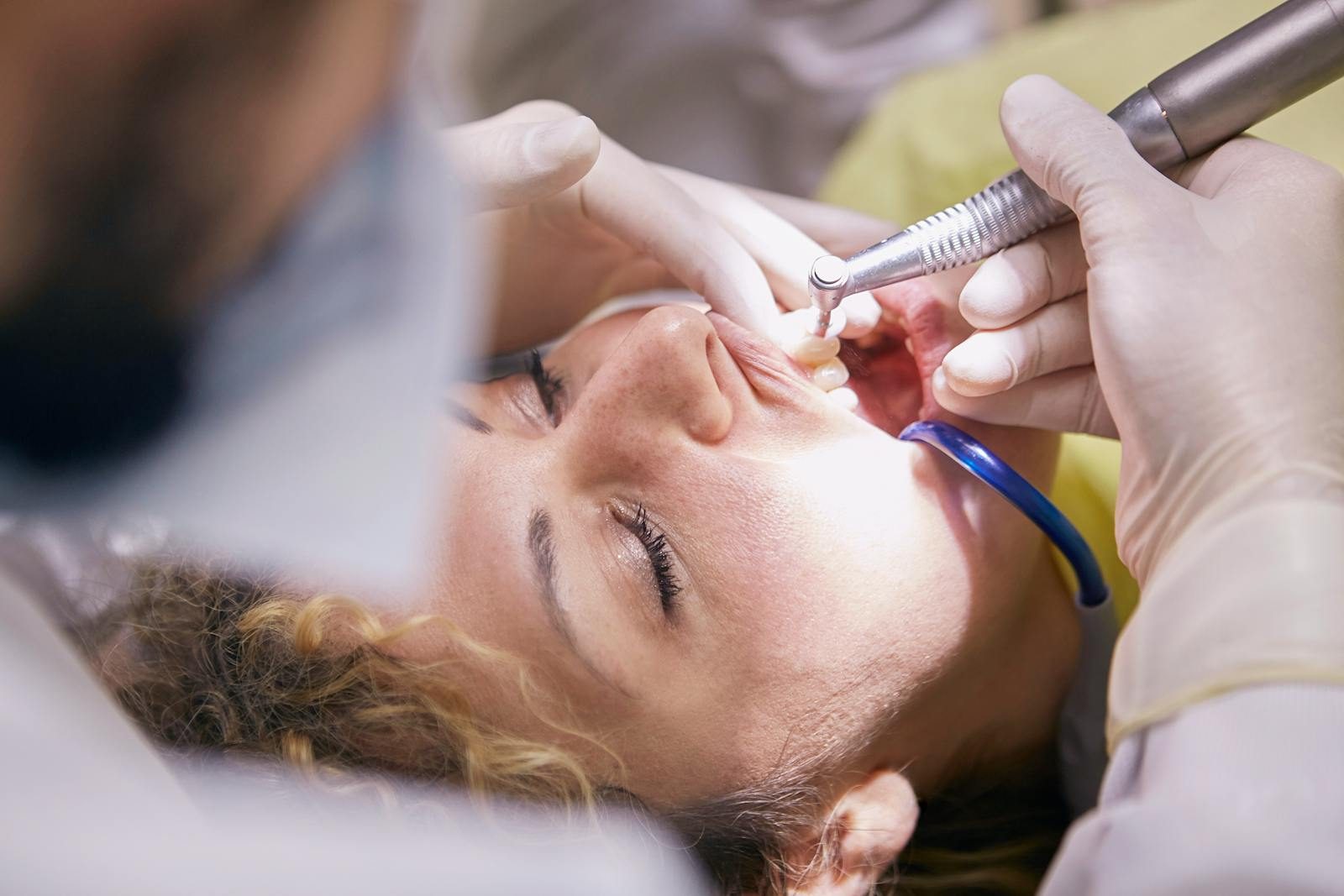
Gum Disease Treatment
from £180Expert assessment and treatment of gum disease — from early gingivitis to advanced periodontitis. Healthy gums are the foundation of a healthy mouth.
Learn more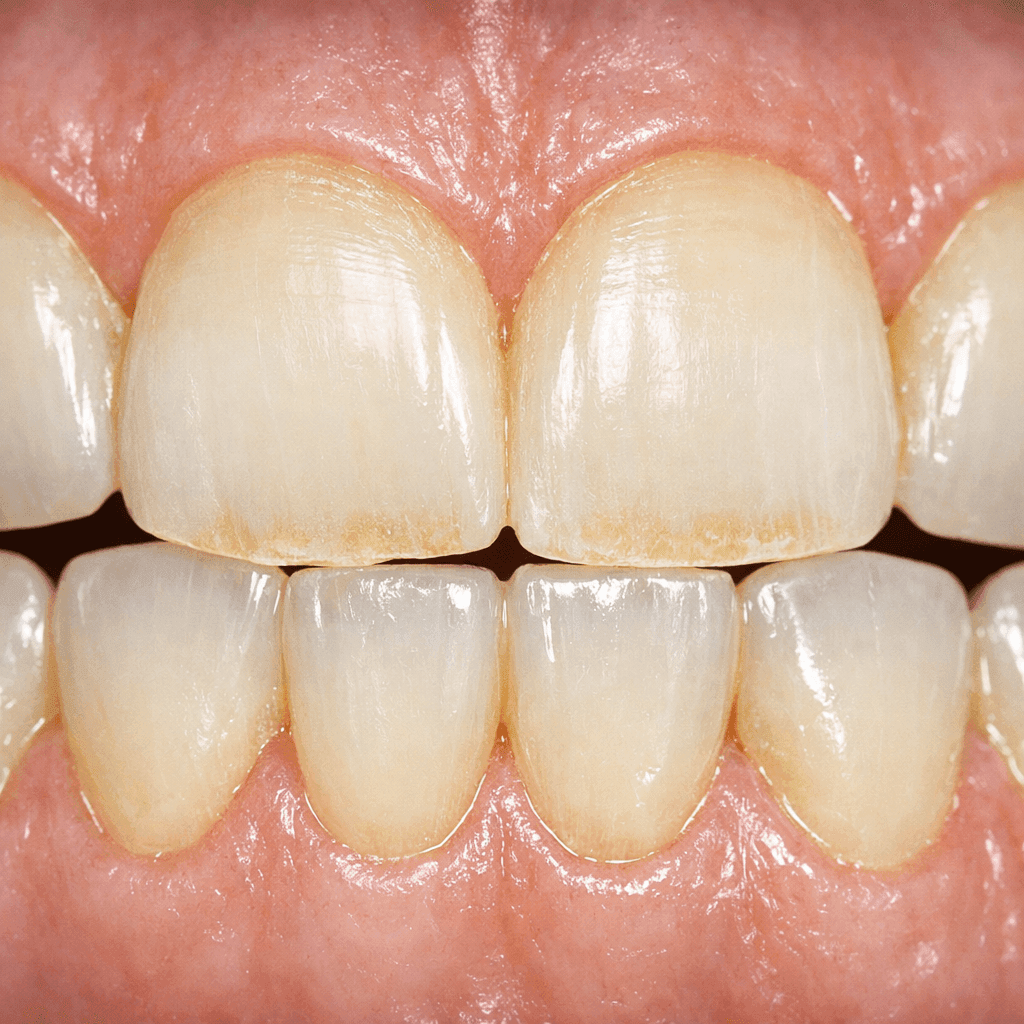
Tooth Erosion
Assessment from £50Identify, halt and reverse the damage of acid erosion — a silent cause of sensitivity, discoloration and reshaped teeth.
Learn moreFind us in Edgware.
Free 30-minute parking out front and a step-free entrance. Pop in for a look or call ahead — we usually answer within a few rings.
Campos Dental
70 Edgware Way
Edgware, HA8 8JS
Call us
020 3971 2000Contact us
Send us a message →Opening hours
- Mon – Fri 9:00 am – 5:30 pm (closed 1–2 pm)
- Sat by appointment
- Sun closed
Considering this treatment?
All treatment plans start with a check-up. Book yours online — we'll talk you through the options for this treatment, explain pricing, and only recommend treatment if it's genuinely right for you.
Book Online opens in our secure Dentally Portal — verified by SMS. All treatment plans start with a check-up.