Tooth Erosion Treatment in Edgware
Identify, halt and reverse the damage of acid erosion — a silent cause of sensitivity, discoloration and reshaped teeth.
Book Online opens in our secure Dentally Portal — verified by SMS. All treatment plans start with a check-up.
Assessment from £50
- Identifies the source of acid attacking your teeth
- Personalised prevention plan
- Fluoride and composite protection for affected teeth
- Lifestyle and diet coaching
- Stops sensitivity getting worse
What is tooth erosion?
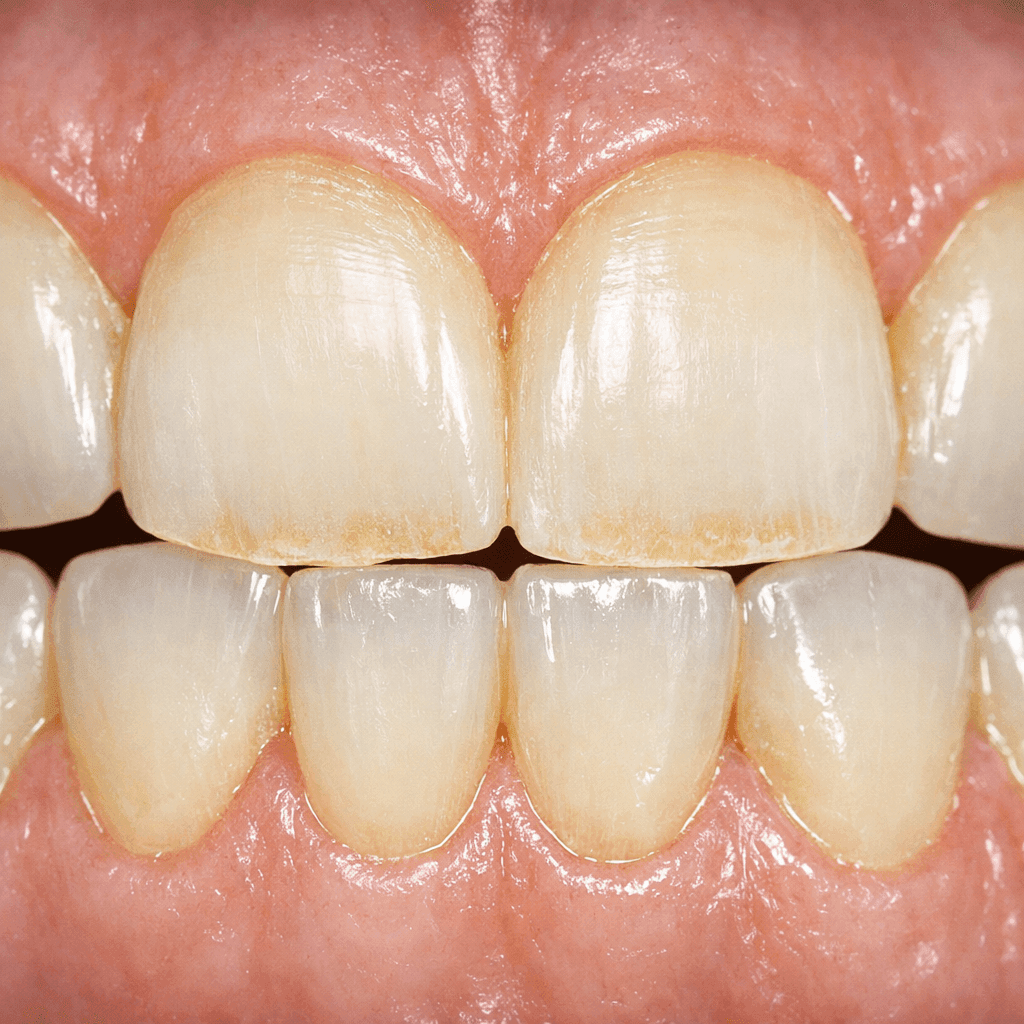
Tooth erosion is the gradual loss of enamel caused by acid exposure — distinct from decay, which is caused by plaque bacteria. Because erosion is painless until it’s quite advanced, many people don’t notice until teeth start to look shorter, darker or feel sensitive. It often shows up first as low-level sensitivity to cold or sweet, or as a gradual change in the appearance of the front teeth that the patient noticed in photos before they noticed in the mirror.
What causes it?
Diet
- Acidic drinks — fruit juices, fizzy drinks (including diet versions), sports drinks, alcohol, kombucha
- Citrus fruits if eaten frequently
- Vinegars and pickled foods in large quantities
Medical conditions
- GERD (acid reflux) — stomach acid washing into the mouth, especially at night
- Bulimia or any condition involving frequent vomiting
- Dry mouth (xerostomia) — saliva normally neutralises acid; without enough of it, acid stays on teeth longer
Habits
- Bruxism (grinding) — accelerates mechanical wear on already-weakened enamel
- Aggressive brushing, particularly soon after acidic food or drink
Erosion vs decay vs abrasion vs attrition — they’re not the same
Patients understandably use “wear” and “decay” interchangeably, but the four main types of tooth-surface loss have different causes, different appearances and different prevention. Knowing which one is affecting your teeth changes what we recommend you do about it.
Erosion — chemical loss
Caused by acid (dietary or stomach), and affects whole surfaces of multiple teeth. The classic look is a glassy, smooth, “dished-out” appearance on the inner surfaces of upper teeth (suggesting reflux) or the outer surfaces of upper front teeth (suggesting acidic drinks). Old fillings can end up sitting proud of the surrounding tooth as the enamel around them dissolves. Prevention is about acid frequency — moving acid exposure to mealtimes, using straws, rinsing with water, and treating any underlying reflux.
Decay — bacterial damage
Caused by acid produced by plaque bacteria when they ferment sugar, and appears in specific spots where plaque accumulates — between teeth, in the deep grooves of back teeth, and around the gum line. It looks dark or chalky white and starts as small areas rather than across whole surfaces. Prevention is about plaque control (brushing, interdental cleaning, fluoride toothpaste) and sugar frequency rather than total sugar.
Abrasion — mechanical wear from outside the tooth
Caused by something rubbing against the tooth — typically aggressive horizontal brushing with a hard toothbrush, but also habits like nail-biting, holding pens between the teeth, or using teeth to open packets. Classic appearance is a wedge-shaped notch at the gum line of the canines and premolars on the brushing-hand side. Prevention is about technique and habit — softer brush, smaller circular motions, breaking habits that load the teeth from the outside.
Attrition — tooth-on-tooth wear
Caused by teeth grinding against each other, most often during sleep (bruxism) or in patients whose bite forces them to wear unevenly. Shows as flat, polished, often shiny worn surfaces on the biting edges of the front teeth and the cusps of the molars — sometimes with matching wear patterns on the upper and lower teeth where they meet. Prevention is about controlling the grinding — a well-made nightguard, bite adjustment, and any orthodontic correction the bite needs.
In real mouths, more than one is usually going on at once — an adult with reflux, a hard-bristled toothbrush and night-time grinding will have erosion, abrasion and attrition all contributing. Working out which is dominant changes the order in which we treat — and what you can do at home to slow it down.
Spotting erosion early
- Teeth feel sensitive to temperature or sweetness
- Front teeth start to look slightly transparent at the edges
- Tooth edges look rounded or chipped
- Surface “dishes” or pitting appear, particularly on back teeth
- Front teeth darken — the underlying yellow dentine becomes more visible as enamel thins
How we help
- Identify the cause. We discuss diet and lifestyle, examine the wear pattern (which tells us a lot about source), and refer onward if a medical issue like reflux is suspected.
- Personalised prevention plan. Simple changes that have a huge impact — for example, drinking acidic drinks with a straw, rinsing with water after, waiting 30 minutes before brushing.
- Strengthening treatment. Professional fluoride varnish and high-fluoride toothpaste rebuild and harden enamel. A regular hygiene visit with Bernita keeps the protocol on track.
- Restoring damaged teeth. Composite bonding rebuilds the shape and protects against sensitivity. Severely worn teeth may need crowns or veneers.
Five habits that protect your enamel
- Keep acidic drinks to mealtimes — never sip them through the day
- Drink acidic drinks through a straw to limit contact with teeth
- Rinse with water (or chew sugar-free gum) after acidic food or drink
- Wait at least 30 minutes after acidic food before brushing — your enamel is temporarily softened
- Use a soft-bristled toothbrush and a fluoride toothpaste — high-fluoride if recommended
Book an enamel assessment
If you’ve noticed your front teeth looking shorter, darker or more transparent at the edges — or if you’ve been told you have reflux and want to know what it’s doing to your teeth — please come in for an assessment. We see patients from Edgware, Stanmore and Mill Hill for erosion work, and the earlier we look the more enamel we can save. Book an appointment →
Further reading from the blog
- Diet and tooth erosion: the surprising foods and drinks wearing your teeth away — pH chart, the “healthy” culprits most patients don’t think about (kombucha, ACV shots, sparkling water with lemon), and why frequency matters far more than total quantity.
Frequently asked
How is erosion different from decay?
Can lost enamel grow back?
What can be done about teeth that are already eroded?
How much does treatment cost?
Can my dentist tell if I have acid reflux just by looking at my teeth?
My child drinks a lot of fruit juice — how worried should I be?
You might also be looking at.
Dental Hygiene
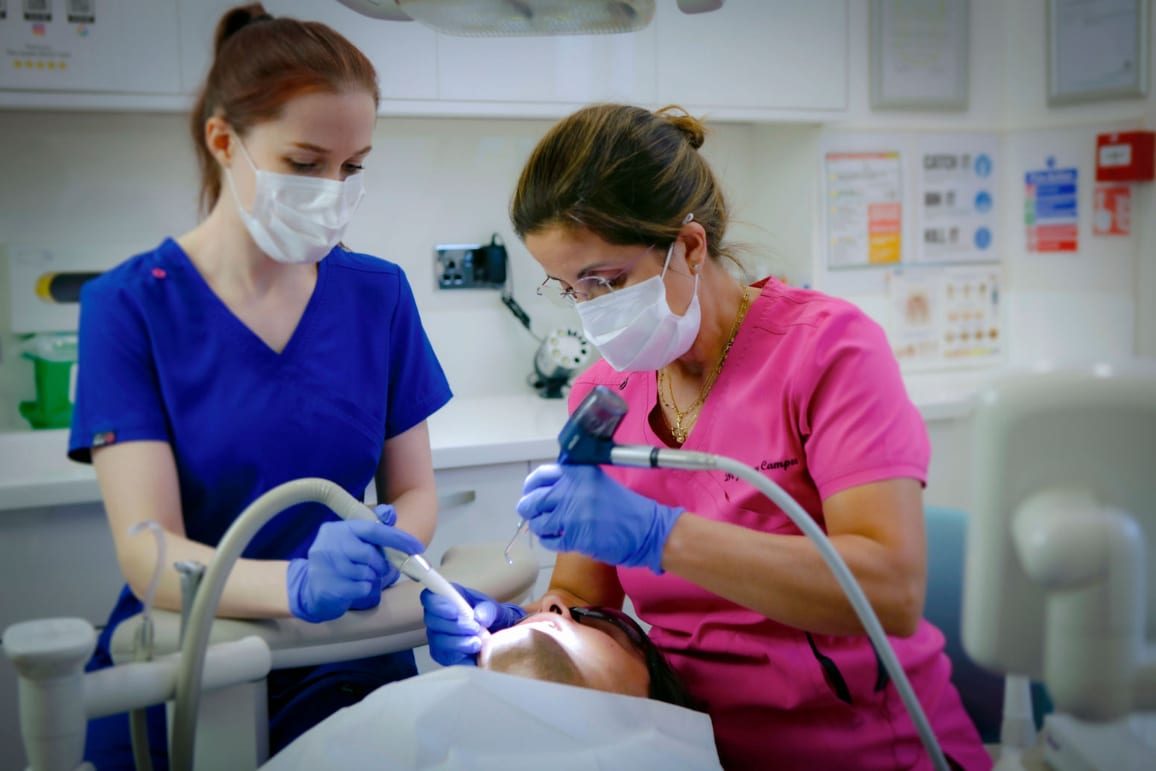
from £80Professional hygiene with Bernita and Isabel, our experienced hygienists. Scale, polish, stain removal and personalised advice that protect your teeth between check-ups.
Learn more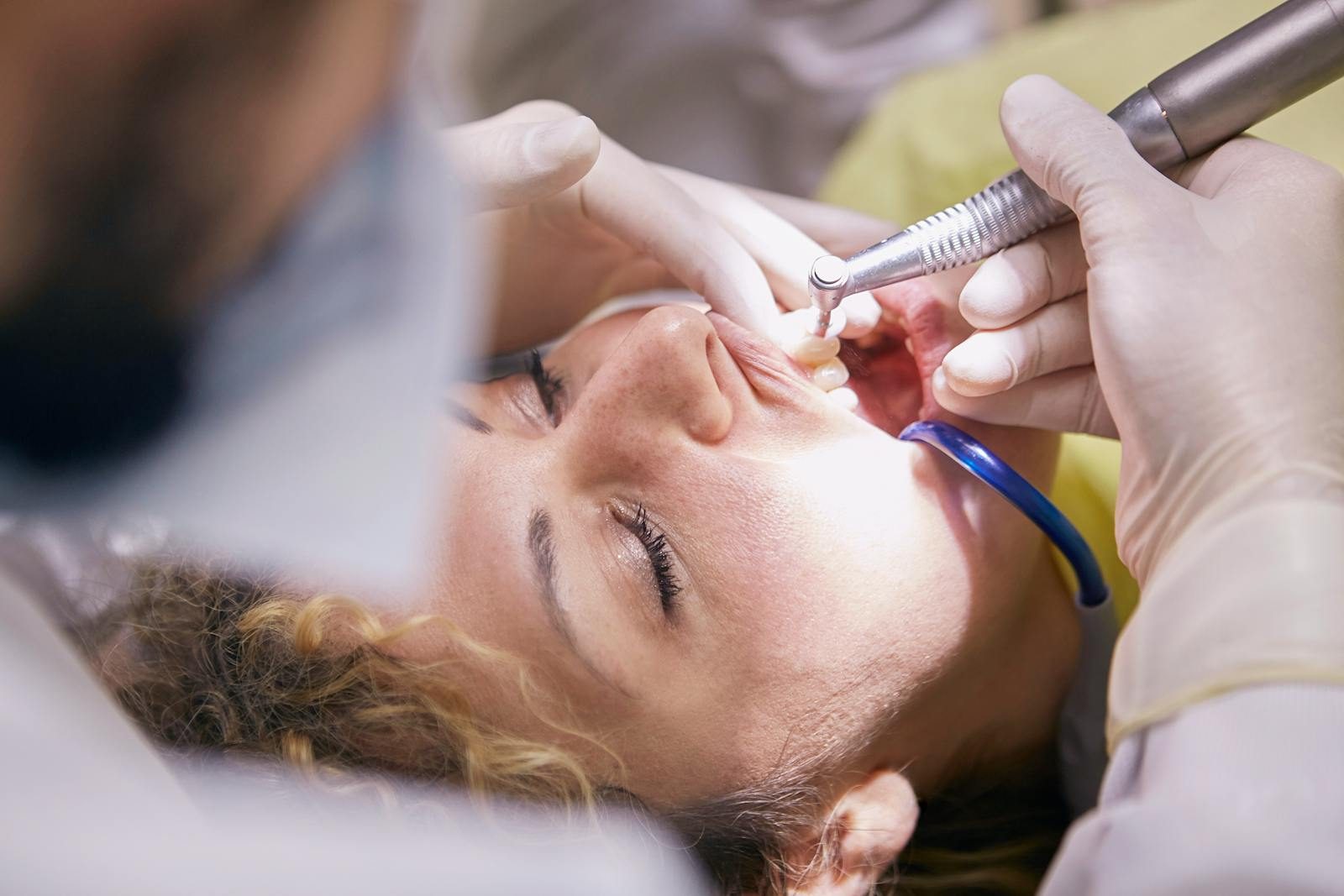
Gum Disease Treatment
from £180Expert assessment and treatment of gum disease — from early gingivitis to advanced periodontitis. Healthy gums are the foundation of a healthy mouth.
Learn more
Sensitive Teeth
Assessment from £50Lasting relief from sensitive teeth — by finding and treating the underlying cause, not just numbing the symptom.
Learn moreFind us in Edgware.
Free 30-minute parking out front and a step-free entrance. Pop in for a look or call ahead — we usually answer within a few rings.
Campos Dental
70 Edgware Way
Edgware, HA8 8JS
Call us
020 3971 2000Contact us
Send us a message →Opening hours
- Mon – Fri 9:00 am – 5:30 pm (closed 1–2 pm)
- Sat by appointment
- Sun closed
Considering this treatment?
All treatment plans start with a check-up. Book yours online — we'll talk you through the options for this treatment, explain pricing, and only recommend treatment if it's genuinely right for you.
Book Online opens in our secure Dentally Portal — verified by SMS. All treatment plans start with a check-up.