Tooth enamel is the hardest substance in the human body, but it does have one significant vulnerability: acid. Specifically, any sustained contact with anything with a pH below about 5.5 starts to dissolve enamel. And unlike cavities, which need bacteria and time, erosion happens directly, chemically, and without warning.
The unsettling part is that some of the foods and drinks most associated with healthy eating cause more erosion than the obviously sugary ones. This post explains what causes erosion, the everyday culprits (some surprising), why timing matters more than quantity, and what to do if you’re worried about it.
Erosion vs decay: different problems
It’s worth being clear about the distinction:
- Decay (caries) is caused by oral bacteria turning sugar into acid. The bacteria live in plaque; reduce plaque or reduce sugar, and you reduce decay. You can see the early signs (white spots) before there’s a hole.
- Erosion is direct chemical dissolution of enamel by external acid. No bacteria needed. The enamel becomes thinner, smoother, sometimes shinier, and eventually exposes the yellower dentine beneath. By the time you can see it, you’ve already lost a meaningful amount of enamel.
A patient with perfect hygiene and zero sugar can still have severe erosion. It’s caused by what you put on your teeth, not by what bacteria do with it.
The pH problem
| Item | Approximate pH |
|---|
| Battery acid | 0 |
| Stomach acid | 1–2 |
| Lemon juice | 2.2 |
| Cola (regular and diet) | 2.5 |
| Vinegar | 2.5 |
| Wine (white) | 3.0 |
| Orange juice | 3.5 |
| Kombucha | 3.0–3.5 |
| Sports drinks | 3.5 |
| Tomato juice | 4.0 |
| Black coffee | 5.0 |
| Pure water | 7.0 |
| Saliva | 6.7 (resting) |
| Milk | 6.7 |
| Enamel demineralisation threshold | ~5.5 |
Approximate pH
- Battery acid
- 0
- Stomach acid
- 1–2
- Lemon juice
- 2.2
- Cola (regular and diet)
- 2.5
- Vinegar
- 2.5
- Wine (white)
- 3.0
- Orange juice
- 3.5
- Kombucha
- 3.0–3.5
- Sports drinks
- 3.5
- Tomato juice
- 4.0
- Black coffee
- 5.0
- Pure water
- 7.0
- Saliva
- 6.7 (resting)
- Milk
- 6.7
- Enamel demineralisation threshold
- ~5.5
Anything below 5.5, which is most of the things people drink, causes some enamel softening. The mouth recovers (saliva neutralises the acid and remineralisation begins) after about 30 minutes. The problem is when there’s another acid attack before the mouth has recovered.
The everyday culprits
The obviously acidic
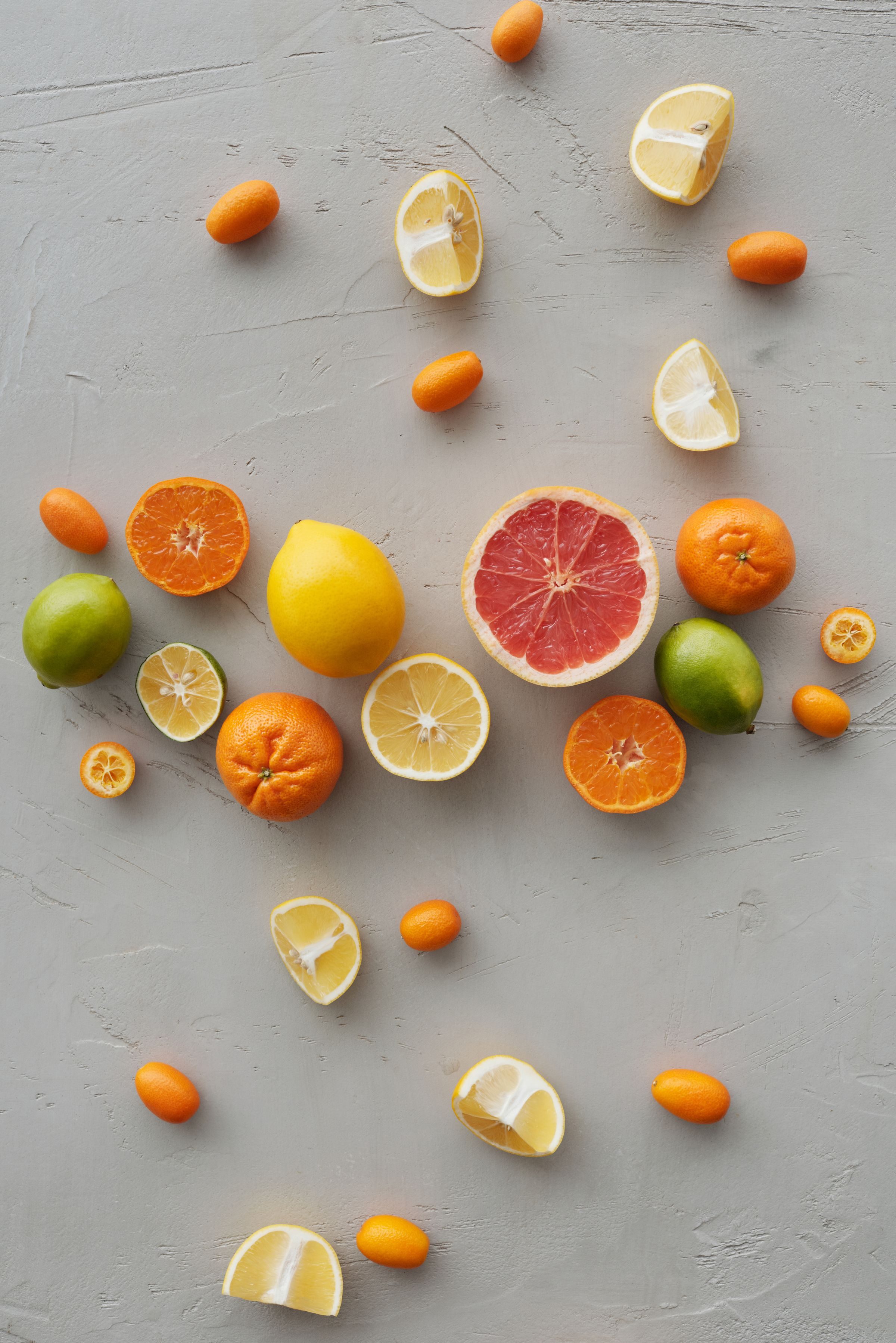
- Citrus fruits (lemons, oranges, grapefruit) eaten regularly
- Vinegar dressings, pickles, salad dressings
- Wine, particularly white wine
- Cider and acidic beers
- Carbonated drinks (cola, lemonade, tonic water, sugar-free or not)
The “healthy” surprises
- Sparkling water with lemon or lime: the carbonic acid plus the citrus is genuinely erosive when sipped through the day
- Kombucha: the fermentation produces significant acetic acid, similar to vinegar
- Apple cider vinegar shots: drinking 30 ml of vinegar daily for “health reasons” is one of the worst things you can do to enamel
- Fresh fruit smoothies: concentrated fruit acids, often sipped slowly
- Green tea with lemon: the lemon makes it acidic enough to matter if consumed often
- Yoghurt drinks: surprisingly acidic
- Sports drinks and electrolyte drinks: explicitly designed to be acidic enough to hold electrolytes in solution
The non-dietary causes
- Reflux (GORD): repeated exposure of teeth to stomach acid, particularly overnight. If you’ve been told you have reflux and you’ve also noticed teeth becoming more sensitive, this is likely related.
- Frequent vomiting, including during pregnancy morning sickness, or eating disorders
- Swimming in chlorinated pools for competitive swimmers: chlorine forms hypochlorous acid in water
- Industrial exposure: wine-tasting, brewing, certain chemical industries
Frequency matters far more than quantity
This is the single most important point and the one most patients haven’t heard:
One large glass of orange juice with breakfast does less damage than sipping the same volume across a morning.
Here’s why. Each acid contact triggers a 30-minute demineralisation window. After breakfast and one acid drink, your mouth has one window, and by 10 am the enamel has recovered. After sipping the same drink slowly from 8 am to 11 am, your enamel has been continuously demineralising for three hours.
The same logic applies to:
- Sipping coffee or tea with lemon through the morning vs drinking it quickly with breakfast
- Grazing on grapes or other acidic fruit through an afternoon vs eating them as a portion with a meal
- Slow-sipping wine over an evening vs drinking it with dinner
- Mid-afternoon “healthy” snacks of citrus fruit every day vs as part of a meal
The everyday rule that follows: acidic foods and drinks belong with meals, not between them.
Practical protection
If you’re going to consume acidic things (and most of us are), these meaningfully reduce the damage:
- Use a straw for acidic drinks. Direct the liquid past the front teeth toward the back of the mouth.
- Drink quickly rather than slowly. Counter-intuitive but right.
- Don’t swirl or hold acidic drinks in your mouth.
- Rinse with water after acidic food or drink: plain water, or water with a pinch of bicarbonate of soda for stronger neutralisation.
- Don’t brush for at least 30 minutes after acid contact. Brushing acid-softened enamel is exactly when erosion happens. Wait until saliva has remineralised.
- Use a fluoride toothpaste, ideally at 1,450 ppm (most adult toothpastes). Fluoride supports remineralisation.
- Consider a higher-fluoride toothpaste (5,000 ppm, which we can prescribe) if you have known erosion or reflux.
- Chew sugar-free gum with xylitol after acidic meals. It stimulates saliva and accelerates remineralisation.
- Treat reflux if you have it. Speak to your GP. Even if you’ve been managing it without escalation, dental erosion is a reason to address it more actively.
What erosion looks like clinically
Patients tend to notice erosion through one of:
- New sensitivity to cold air, cold drinks, or sweet things (usually the first sign, often dismissed)
- Teeth looking “shorter” or “more transparent” at the edges
- Teeth appearing yellower as the white enamel thins and the dentine shows through
- Cupping: small concave dips on the chewing surfaces of back teeth
- Old fillings appearing to “stick up”: the filling stays the same height while the tooth around it wears down
By the time these are visible, meaningful erosion has occurred. Catching it earlier means catching it at the dietary-history conversation, not at the tooth.
What we can do
Erosion that’s already happened isn’t reversible (enamel doesn’t grow back), but we can:
- Identify and address the cause: dietary history, reflux assessment, lifestyle factors
- Strengthen the remaining enamel with high-fluoride toothpaste and topical fluoride varnish (from £30)
- Restore lost structure with composite bonding, onlays, or crowns where significant tooth has been lost
- Make night guards if grinding is compounding the erosion (from £450)
- Manage sensitivity with topical desensitising products
For the underlying clinical content on erosion treatment, see our tooth erosion treatment page and our sensitive teeth page.
Frequently asked
Are diet/sugar-free drinks safer for teeth than regular versions?
For decay risk, yes. For erosion risk, no. The acid in cola, lemonade, tonic water etc. is the same whether or not there’s sugar added. Diet drinks erode teeth just as fast as the sugary versions.
What about smoothies? Surely fruit is healthy?
Whole fruit is fine. Blended fruit becomes far more erosive because the smoothie is liquid (more enamel contact), concentrated (more fruit acid per ml than you’d typically eat), and often sipped slowly. If you drink smoothies regularly, drink them with a meal, through a straw, and follow with water.
Can erosion be reversed?
No. Lost enamel doesn’t grow back. Demineralisation in early stages can be remineralised with fluoride and saliva, but actual lost tooth structure can only be restored with dental materials (composite, ceramic etc.). Prevention is dramatically more effective than restoration here.
I’ve cut all acidic things out of my diet. Will my teeth recover?
The teeth won’t grow back what’s been lost, but stopping the erosion means the existing tooth structure stays where it is. Sensitivity often improves over months once the acid attack stops. Long-term, you’d still need to be on top of fluoride and regular check-ups, but you’ve stopped the trajectory.
How often should I have my erosion monitored?
If you have known erosion, every 6 months at minimum, sometimes more often. We compare photographs and measurements across visits to track whether it’s progressing or stable.
If you’ve noticed teeth becoming more sensitive, or you’ve been told you have erosion at a previous appointment, get in touch. We’d be glad to look and walk through the dietary and lifestyle context.
— Dr Jacqueline Jacobs