Healthy Gums & Gum Disease Treatment in Edgware
Expert assessment and treatment of gum disease — from early gingivitis to advanced periodontitis. Healthy gums are the foundation of a healthy mouth.
Book Online opens in our secure Dentally Portal — verified by SMS. All treatment plans start with a check-up.
from £180
- Halts and often reverses early gum disease
- Reduces bad breath and bleeding gums
- Prevents tooth loss caused by periodontitis
- Lowers cardiovascular and diabetes risk linked to gum disease
- Detailed care plan tailored to your case
Your gums are more important than you think
Your gums act as the protective seal around your teeth — anchoring them in your jaw and shielding the roots from bacteria. When they become inflamed or infected, the consequences extend well beyond your mouth. Gum disease is by far the leading cause of adult tooth loss in the UK — significantly more than decay — and a body of research now links advanced disease to systemic conditions including cardiovascular disease, type-2 diabetes, certain cancers and adverse pregnancy outcomes. Keeping your gums healthy is part of looking after the rest of you, not a separate hobby.
Around half of UK adults have some form of gum disease, and most don’t know it. The early stage is typically painless and easy to miss — bleeding when you brush is the commonest sign, and the natural response is to brush less hard rather than recognise it as inflammation that needs treating. By the time teeth start to loosen, the disease has been progressing quietly for years. The case for action at the first sign of trouble is overwhelming.
Risk factors — who’s most at risk
Gum disease is not random. A small set of risk factors account for most of the variation in who develops it, how badly, and how fast. Knowing your own profile is half the battle.
- Smoking and vaping are by some distance the single largest modifiable risk factor. Smokers have around three times the risk of severe periodontitis, the disease progresses faster in their mouths, and they respond less well to treatment. Vaping is increasingly implicated in similar (though probably milder) effects on gum tissue and healing.
- Diabetes, particularly poorly controlled type-2 diabetes, has a two-way relationship with gum disease — diabetes increases the risk of periodontitis, and periodontitis makes blood-sugar control harder. Patients who get both under control together tend to fare better than those who treat them separately.
- Age matters, but not as much as people think. The disease becomes more prevalent with age because it has had more time to develop, not because age itself drives it. Healthy gums at sixty are entirely possible.
- Genetics. A family history of significant periodontitis raises your baseline risk and warrants a more vigilant approach — more frequent professional cleanings, meticulous home care, no smoking. The full picture is in the FAQ.
- Hormonal changes — pregnancy, the menopause and the contraceptive pill all interact with the gums and can flare up dormant inflammation. Pregnancy in particular often brings on a phase of gingivitis that we’d see and treat through the pregnancy — our pregnancy and dental care guide covers what changes and what’s safe, trimester by trimester.
- Certain medications — calcium-channel blockers for blood pressure, immunosuppressants after a transplant, some antiepileptic drugs, and many others — can cause gum overgrowth or alter the gum’s response to plaque. Worth flagging at every check-up if your prescribed medications change.
- Stress and immune compromise weaken the body’s response to bacteria and can accelerate gum disease.
- Poor home care. Inadequate brushing, no interdental cleaning, irregular hygiene visits. This is where most preventable disease lives — and the easiest part to change.
If two or three of the above apply to you, please don’t wait until you have symptoms to come in. Prevention is straightforward; treatment of advanced disease is much harder.
The stages of gum disease
1. Gingivitis (early — reversible)
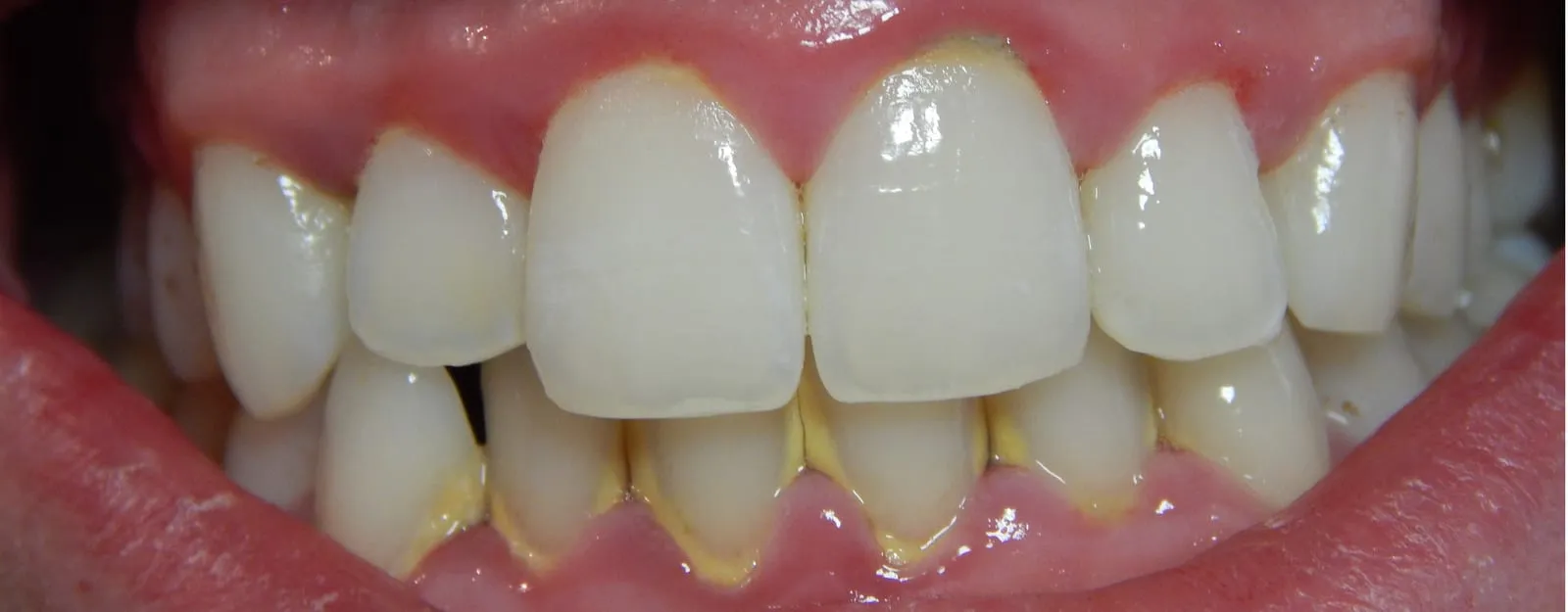
Red, swollen gums that bleed when you brush or floss. Caused by plaque buildup along the gum line. Reversible with a professional clean and better home care.
2. Periodontitis (advanced — manageable, not reversible)
The inflammation moves below the gum line and starts to destroy the bone that holds your teeth in place. Gums recede, pockets form between teeth and gums, and teeth can become loose. Bone loss is permanent — but the disease can be halted with treatment.
3. Advanced periodontitis (severe — risk of tooth loss)
Significant bone and tissue destruction. Without treatment, teeth become loose enough to fall out or need to be extracted. At this stage, some teeth may already be beyond saving — but stabilising the disease still matters to protect the rest of the mouth, and to plan replacement options like dental implants or a bridge on stable foundations.
How we treat gum disease
- Detailed assessment. Measuring gum pockets around every tooth, taking X-rays where needed, and identifying high-risk areas.
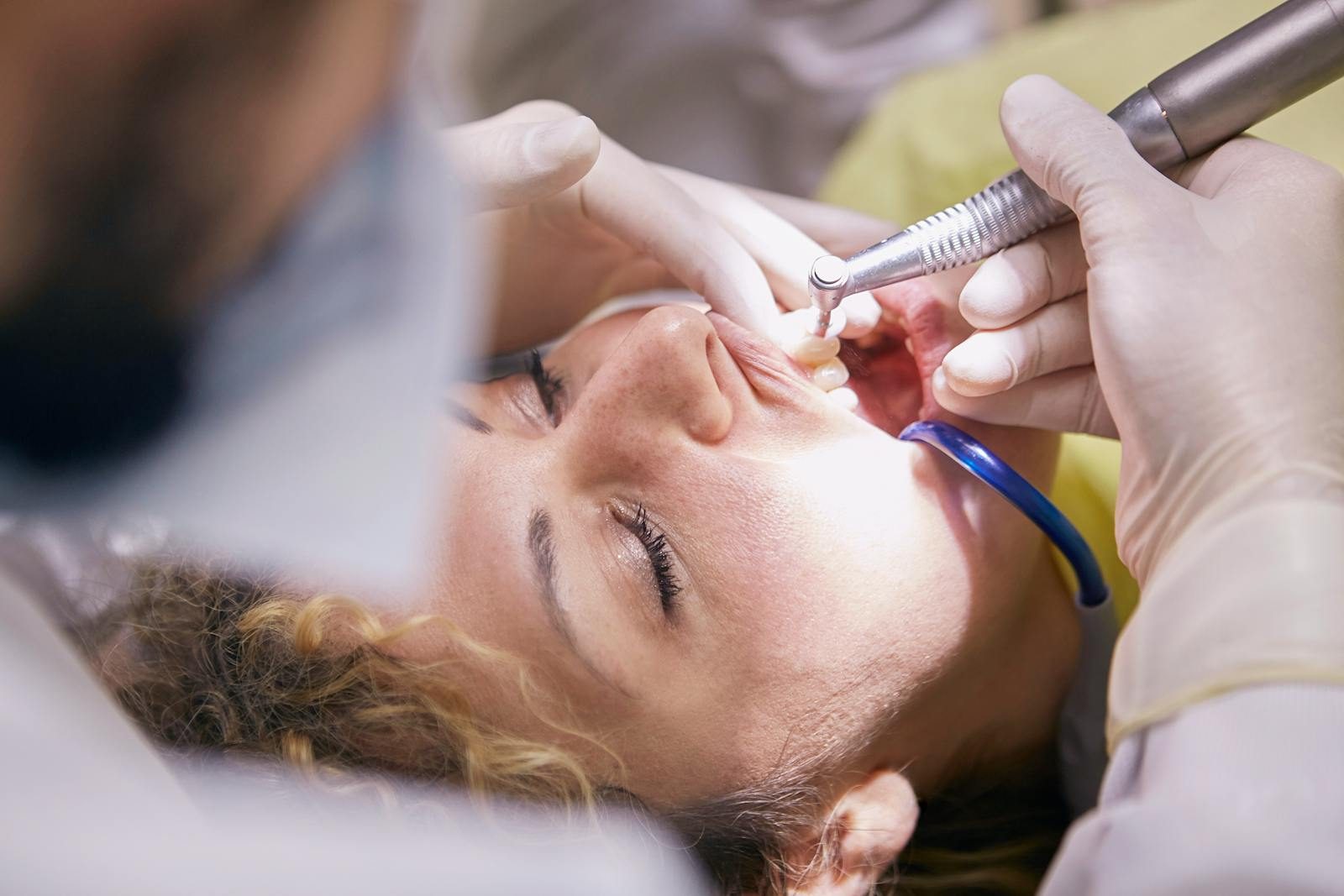
- Deep cleaning (root surface debridement). Professional cleaning below the gum line to remove the bacteria and tartar driving the inflammation. Performed under local anaesthetic for comfort.
- Reassessment. Several weeks later we re-measure to confirm the gums have responded.
- Maintenance. Three to four-monthly hygiene appointments to keep the disease stable for life.
After gum treatment — keeping it stable for life
This is the part that determines whether the work we do at the initial treatment stage actually holds. Periodontitis is a chronic condition rather than an acute infection — it’s stabilised, not cured — and the post-treatment maintenance protocol is what keeps it stable for decades.
Three- or four-monthly maintenance hygiene visits
The standard six-month hygiene interval is built for people with healthy gums. Once you’ve had periodontitis, the disease can quietly restart in the same pockets within three or four months, and we want to interrupt that process before it gains a foothold. We’ll usually move you onto a three-monthly recall for the first year or two after active treatment, then reassess; some patients can ease back to four months once the picture is stable, others stay at three months indefinitely. The full hygiene appointment protocol applies, with extra attention to the previously-affected sites.
Meticulous interdental cleaning
Interdental brushes — sized to your specific gaps — are the single most useful tool. We size them with you at the post-treatment visit and check at every maintenance appointment that you’re using them properly. Floss has its place where the gaps are too tight for a brush. The discipline is daily, not “when you remember” — periodontal bacteria recolonise the area between teeth faster than anywhere else in the mouth.
Smoking — please consider stopping
The single biggest thing you can do for your gums (and most of the rest of your body) is to stop smoking. Stopping smoking changes the trajectory of periodontitis more than any clinical intervention we can offer; smokers who stop see their treatment outcomes catch up with non-smokers over the following twelve to twenty-four months. We’ll point you to NHS smoking cessation services if you’d like the support.
Watching for signs of recurrence
Bleeding on brushing or flossing, new bad breath, gum tenderness or any sense that a tooth is loosening — call us. Catching a flare-up at four weeks is a different conversation from catching it at four months. The maintenance hygiene visits exist precisely so we catch most of these before you would have noticed them yourself.
Diabetes and overall health
If you’re diabetic, the two-way relationship between blood sugar control and gum health makes both easier to manage when treated together. Share your latest HbA1c results with us at your maintenance visits — we’ll factor them into the recall interval. If you’re not diabetic but at risk, gum disease is one of the early warning signs we’d flag to your GP.
Patients who follow this protocol keep their teeth, and the work we do at the initial treatment stage holds. Patients who stop attending maintenance visits or revert to old habits typically see the disease return — and the second course of treatment is harder than the first.
Preventing gum disease in the first place
- Brush twice a day with a soft-bristled toothbrush — electric is generally better than manual
- Clean between teeth daily with interdental brushes or floss
- Don’t smoke — it dramatically increases your risk
- Visit your dentist and hygienist regularly so any inflammation is caught and treated early
- Manage your blood sugar if you have diabetes, and your stress levels generally
Don’t wait
Bleeding gums are not “normal” — they’re a sign of inflammation, and the earlier we treat it, the easier it is to put right. We see patients from Edgware, Stanmore, Mill Hill and across North London for periodontal assessment, and treatment plans are tailored to the stage of disease and your overall risk profile. Book a gum assessment →
Frequently asked
How do I know if I have gum disease?
Can gum disease be reversed?
How much does gum treatment cost?
Is gum disease linked to my overall health?
Will I lose my teeth if I have gum disease?
Is gum disease genetic — am I doomed if my parents had it?
You might also be looking at.
Dental Hygiene
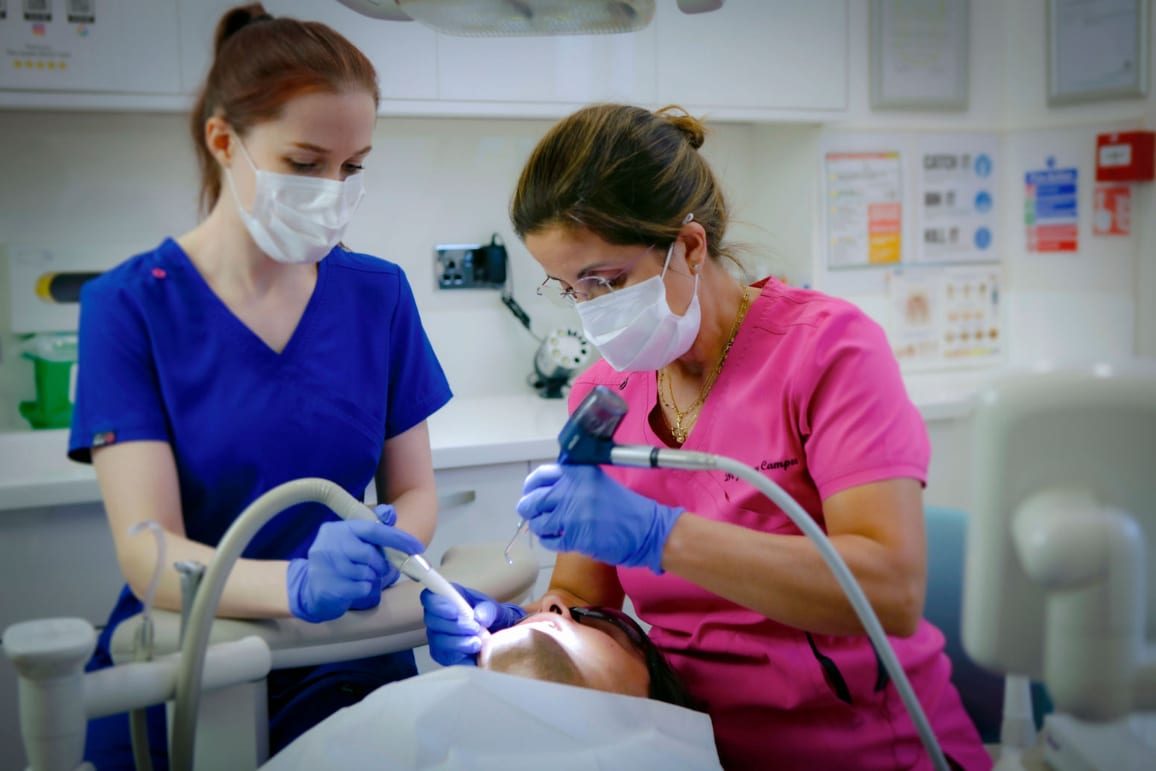
from £80Professional hygiene with Bernita and Isabel, our experienced hygienists. Scale, polish, stain removal and personalised advice that protect your teeth between check-ups.
Learn more
General Dentistry
from £50Routine, preventative and family dentistry — the foundation of a healthy smile. Check-ups, hygiene visits, tooth-coloured fillings, and oral cancer screening for every age.
Learn more
Sensitive Teeth
Assessment from £50Lasting relief from sensitive teeth — by finding and treating the underlying cause, not just numbing the symptom.
Learn moreFind us in Edgware.
Free 30-minute parking out front and a step-free entrance. Pop in for a look or call ahead — we usually answer within a few rings.
Campos Dental
70 Edgware Way
Edgware, HA8 8JS
Call us
020 3971 2000Contact us
Send us a message →Opening hours
- Mon – Fri 9:00 am – 5:30 pm (closed 1–2 pm)
- Sat by appointment
- Sun closed
Considering this treatment?
All treatment plans start with a check-up. Book yours online — we'll talk you through the options for this treatment, explain pricing, and only recommend treatment if it's genuinely right for you.
Book Online opens in our secure Dentally Portal — verified by SMS. All treatment plans start with a check-up.