Pregnancy and Dental Care: What Changes, What's Safe, What Matters
Pregnancy changes oral health more than most patients realise: hormonal gum changes, morning-sickness erosion, and decisions about timing of treatment. Here's what we recommend for each trimester, what's safe, and the myths worth ignoring.
- pregnancy
- preventative
- patient guide
- women's health
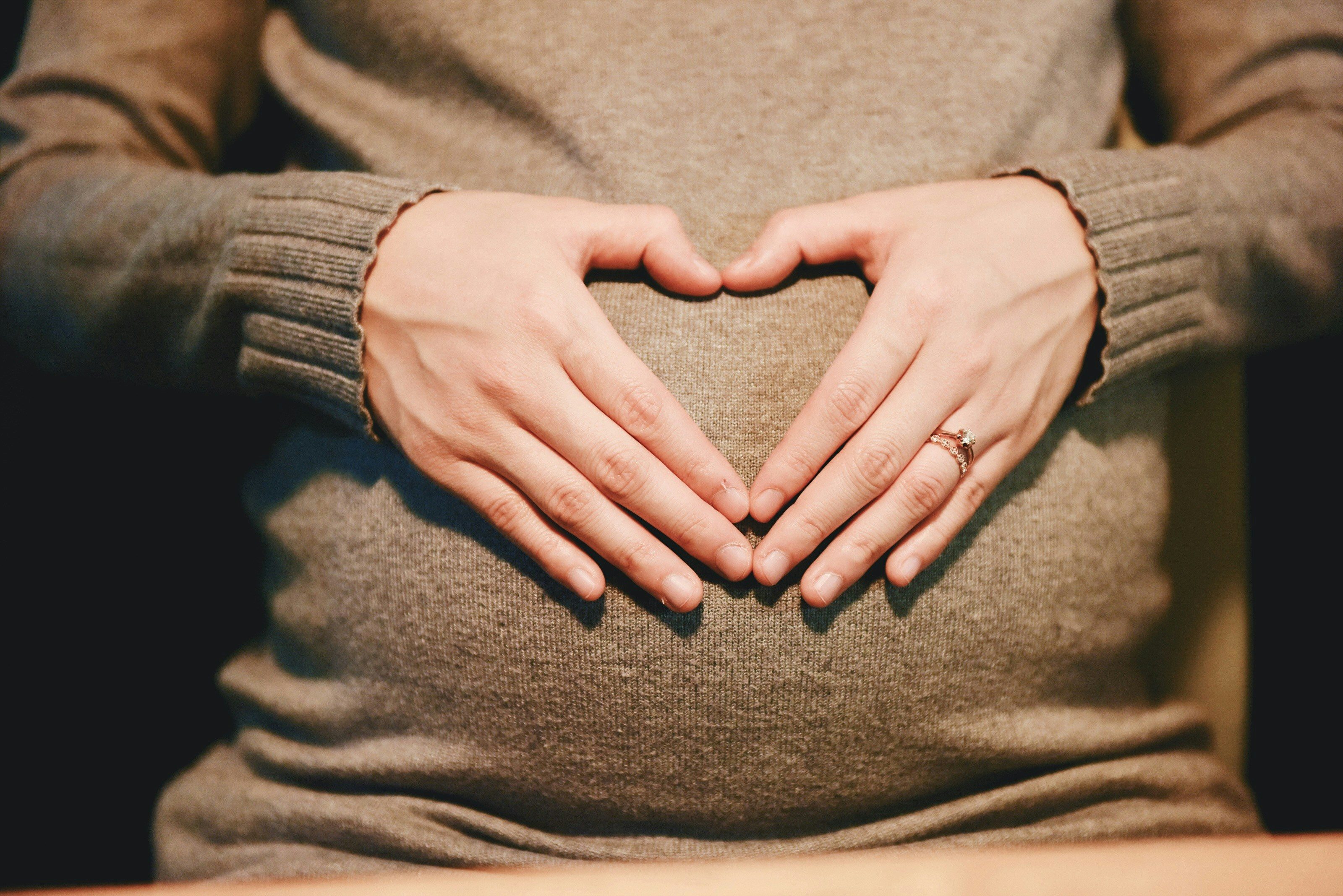
Pregnancy changes the mouth more than most patients expect. Hormonal shifts make gums more sensitive to plaque; morning sickness exposes enamel to stomach acid; cravings and grazing patterns change the frequency of acid attacks. None of this is dangerous if it’s known about and managed, but the conventional advice, “wait until after the baby”, is sometimes the wrong call.
This post covers what changes during pregnancy, what’s safe to do at each stage, and the genuinely-evidence-based answers to the questions we’re asked most often.
Pregnancy gingivitis: the most common change
Roughly 40–60% of women develop some degree of pregnancy gingivitis by the second trimester. Hormonal changes (particularly elevated progesterone) increase the gum tissue’s inflammatory response to plaque, even at plaque levels that wouldn’t normally cause a problem.
The signs:
- Gums that bleed when brushing or flossing
- Tenderness or puffiness, especially between the teeth
- Occasional small lumps on the gum line (“pregnancy granulomas” or “epulis”), which look alarming but are harmless and usually resolve after birth
The treatment is the same regardless of pregnancy: better daily plaque removal plus, where helpful, professional hygiene to remove tartar that home cleaning can’t reach. The hygiene appointment itself is completely safe in pregnancy.
If your gums have started bleeding for the first time during pregnancy, it is not something to leave until the baby arrives. Untreated pregnancy gingivitis can progress to periodontitis (bone-level disease), and there’s reasonable evidence linking severe periodontal disease in pregnancy to adverse pregnancy outcomes. A hygiene visit (from £80) usually resolves it quickly.
What’s safe in each trimester
First trimester (weeks 1–13)
This is when major organ development happens and we generally avoid anything elective. We will:
- Carry out routine examinations and oral cancer screening: always safe
- Take X-rays only if clinically essential for an emergency
- Address dental emergencies: untreated dental infection is a bigger risk than the treatment
We typically defer fillings, routine X-rays, whitening and elective cosmetic work until the second trimester.
Second trimester (weeks 14–27)
The ideal window for most planned treatment. We can:
- Place fillings, including local anaesthetic. The lidocaine we use does not cross the placenta in clinically significant amounts
- Carry out hygiene visits and periodontal treatment to manage pregnancy gingivitis
- Take X-rays where clinically needed
- Plan more complex work for the second half of the trimester before mobility becomes an issue
Third trimester (weeks 28–birth)
We continue routine care but limit appointments to those that genuinely can’t wait. Lying flat for an extended period becomes uncomfortable; in the later weeks we keep visits shorter and use cushions to support the right side, reducing pressure on the vena cava.
Morning sickness and enamel erosion
If you have morning sickness, particularly the kind that involves frequent vomiting, your tooth enamel is being exposed to stomach acid. Stomach acid is around pH 1–2, significantly stronger than the citric acid in fruit juices that we usually warn patients about.
What to do:
- Do not brush immediately after being sick. Brushing acid-softened enamel is exactly when erosion damage happens. Wait at least 30 minutes.
- Rinse with water straight after being sick. Plain water, or water with a pinch of bicarbonate of soda, helps neutralise the acid.
- Wait 30+ minutes, then brush gently with a soft toothbrush and a fluoride toothpaste.
- Consider a high-fluoride toothpaste (5,000 ppm) if morning sickness is severe. We can prescribe one. The extra fluoride supports remineralisation.
If you’re already noticing teeth becoming sensitive to cold or air, that’s likely early erosion. See our tooth erosion treatment page for what we can do about it.
The “calcium robbing” myth
You may have heard that the baby “takes calcium from your teeth” during pregnancy. This is not true. Tooth enamel is not a calcium store the body can draw from. Once formed, it’s metabolically inactive. The calcium your baby needs comes from your diet and (if needed) from your bones, not your teeth.
What is true: pregnancy changes oral hygiene risk for the reasons above. Teeth don’t decay because of the baby; they decay because of grazing, sugar, acid exposure and hormonal gum changes. The fix is good daily care, not extra calcium.
X-rays during pregnancy
For an urgent dental problem (an infection, a broken tooth, an unexplained pain), a dental X-ray is genuinely safe in pregnancy. The radiation dose from a small digital dental X-ray is around 0.005 mSv, approximately 1/2000th of the dose at which we’d start to worry about pregnancy effects, and the beam is tightly focused on the mouth, well away from the abdomen.
That said, we don’t take routine X-rays during pregnancy; we defer them to after the baby unless there’s a clinical reason not to. The principle is “as low as reasonably achievable”, but when an X-ray is needed for diagnosis or treatment planning, the risk of not having it (missed diagnosis, untreated infection) is greater than the radiation risk.
The postpartum check-up
Once you’ve recovered from the birth, please come in. We’ll do a thorough examination, hygiene, and pick up anything that developed during the pregnancy. This is a particularly good time to address any pregnancy gingivitis that didn’t fully resolve and to catch early decay before it’s a bigger problem.
If you’re breastfeeding, everything we do is compatible: local anaesthetic, X-rays, hygiene treatment, even the antibiotics we’d use for an emergency.
Frequently asked
Can I have a filling while pregnant?
Yes, ideally in the second trimester. Local anaesthetic (lidocaine without adrenaline, or with adrenaline at low concentration, depending on the case) is safe. We’ll discuss any specific concerns at the appointment.
Can I have whitening during pregnancy?
We don’t offer whitening during pregnancy or breastfeeding. There is no clear evidence of harm but there’s also no clear evidence of safety, and it’s elective treatment that can comfortably wait. We’d be glad to plan it for after you finish breastfeeding.
Are antibiotics safe if I get an infection?
Yes. There are several antibiotics (amoxicillin in particular) that are safe in pregnancy and we’d choose appropriately. Untreated dental infection is a real risk in pregnancy, so please don’t avoid us if something is wrong.
What about IV sedation?
We avoid IV sedation in pregnancy. For an anxious patient who needs treatment, we’ll work with extra time, supportive techniques and (if helpful) someone with you in the room.
When should I see the dentist after the baby?
Within the first 2–3 months after birth, ideally. Whatever happened during pregnancy is easier to address at that point than later.
If you’re pregnant, planning a pregnancy, or have just had a baby and are wondering whether to wait or come in, get in touch. We’d be glad to discuss what’s right for your stage.
— Dr Jacqueline Jacobs
Find us in Edgware.
Free 30-minute parking out front and a step-free entrance. Pop in for a look or call ahead — we usually answer within a few rings.
Campos Dental
70 Edgware Way
Edgware, HA8 8JS
Call us
020 3971 2000Contact us
Send us a message →Opening hours
- Mon – Fri 9:00 am – 5:30 pm (closed 1–2 pm)
- Sat by appointment
- Sun closed
Questions about your situation?
If anything in this article applies to you and you'd like to talk it through, give us a call.
Book Online opens in our secure Dentally Portal — verified by SMS. All treatment plans start with a check-up.